In my reportages, I continue to explore the relationship between humans and animals and how it shapes our society, working with both writing and photography.
Wolf Hunt
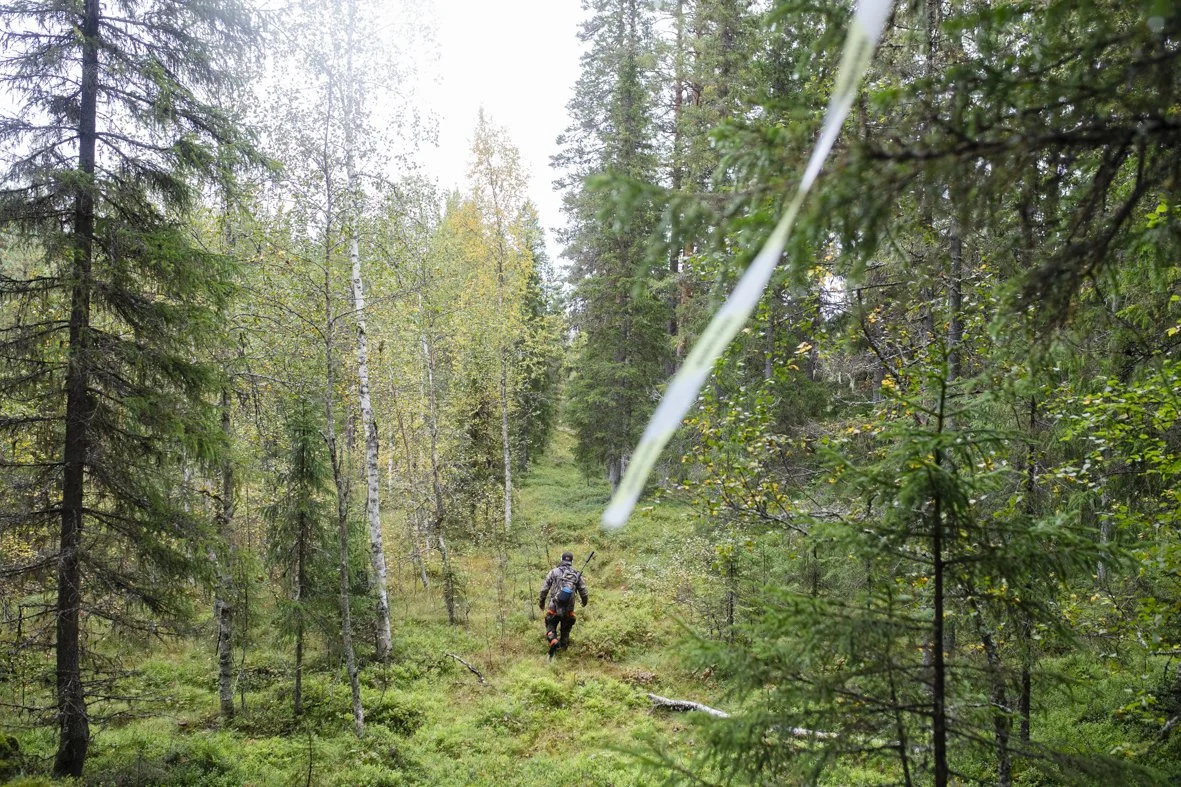
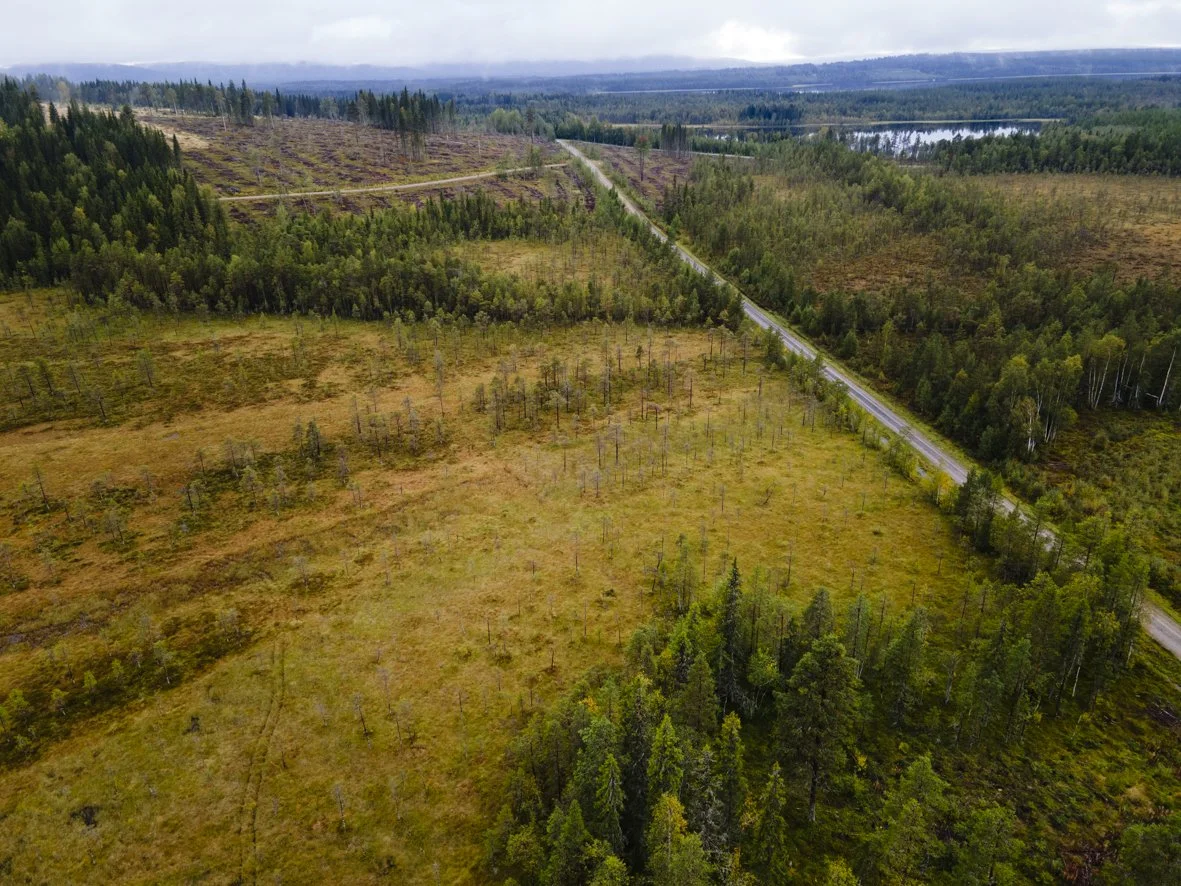
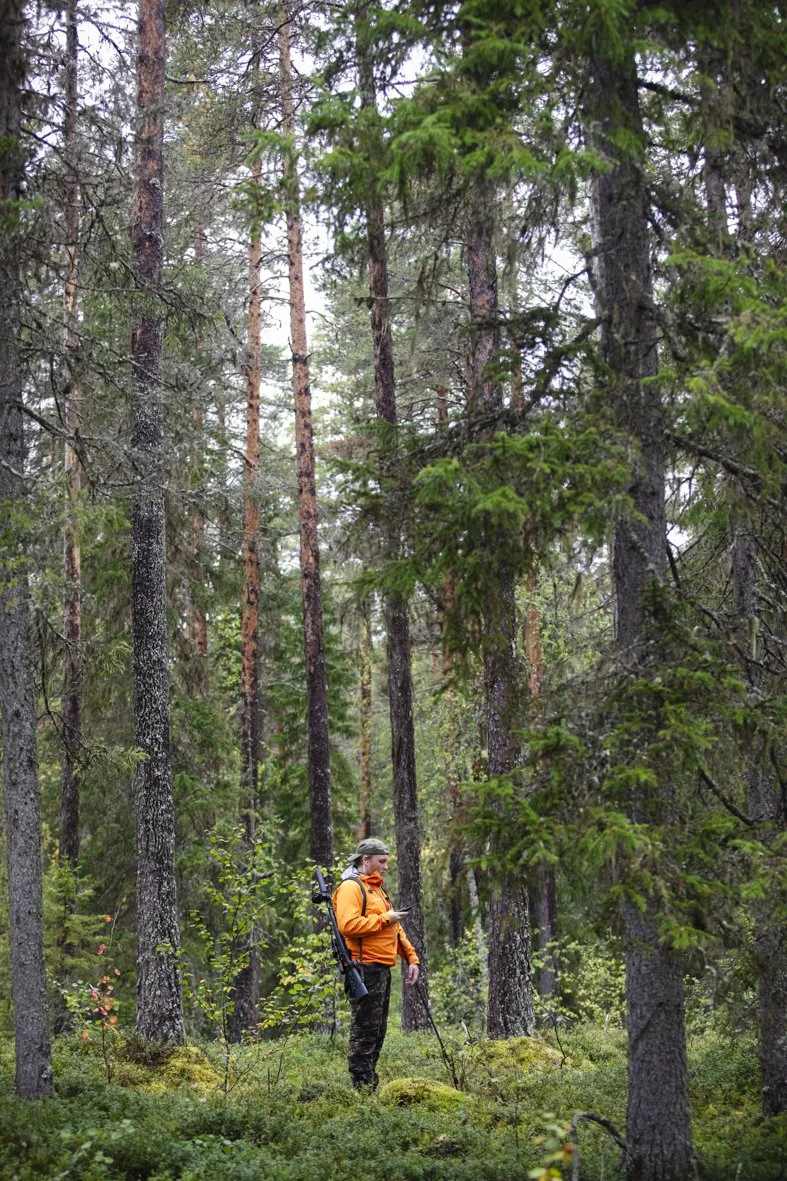
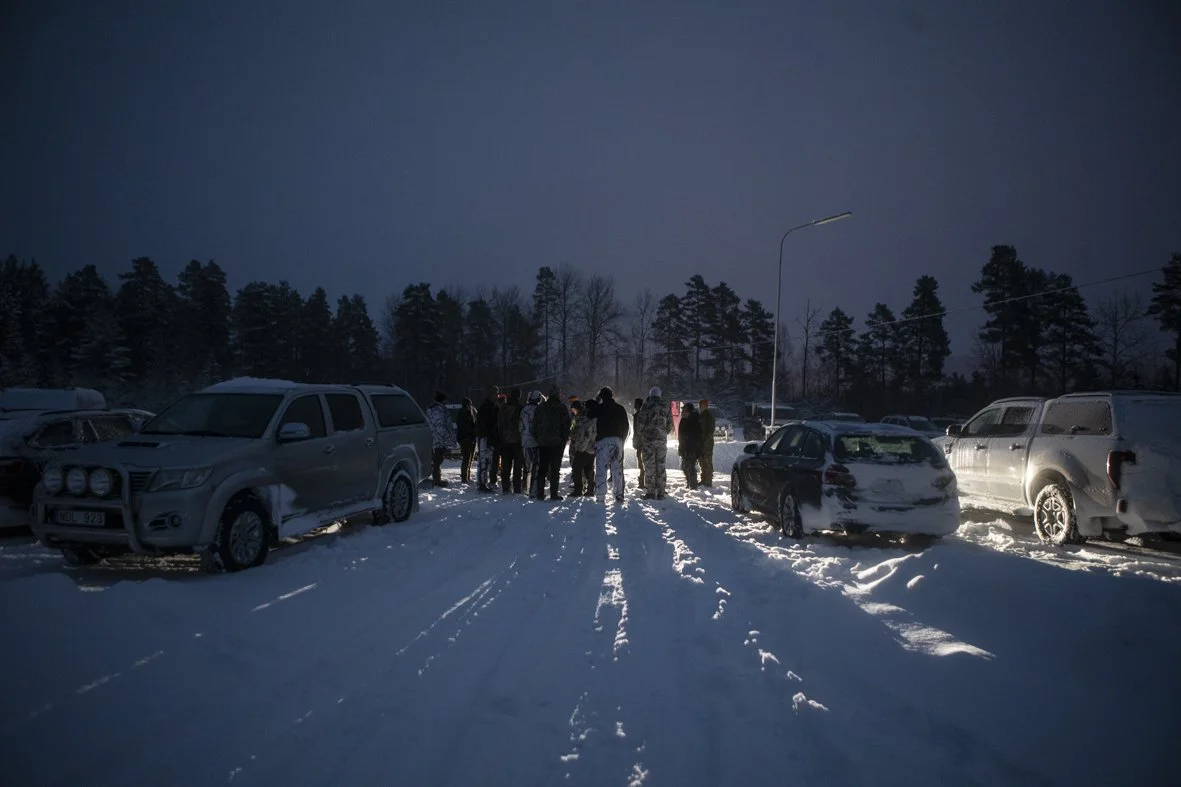
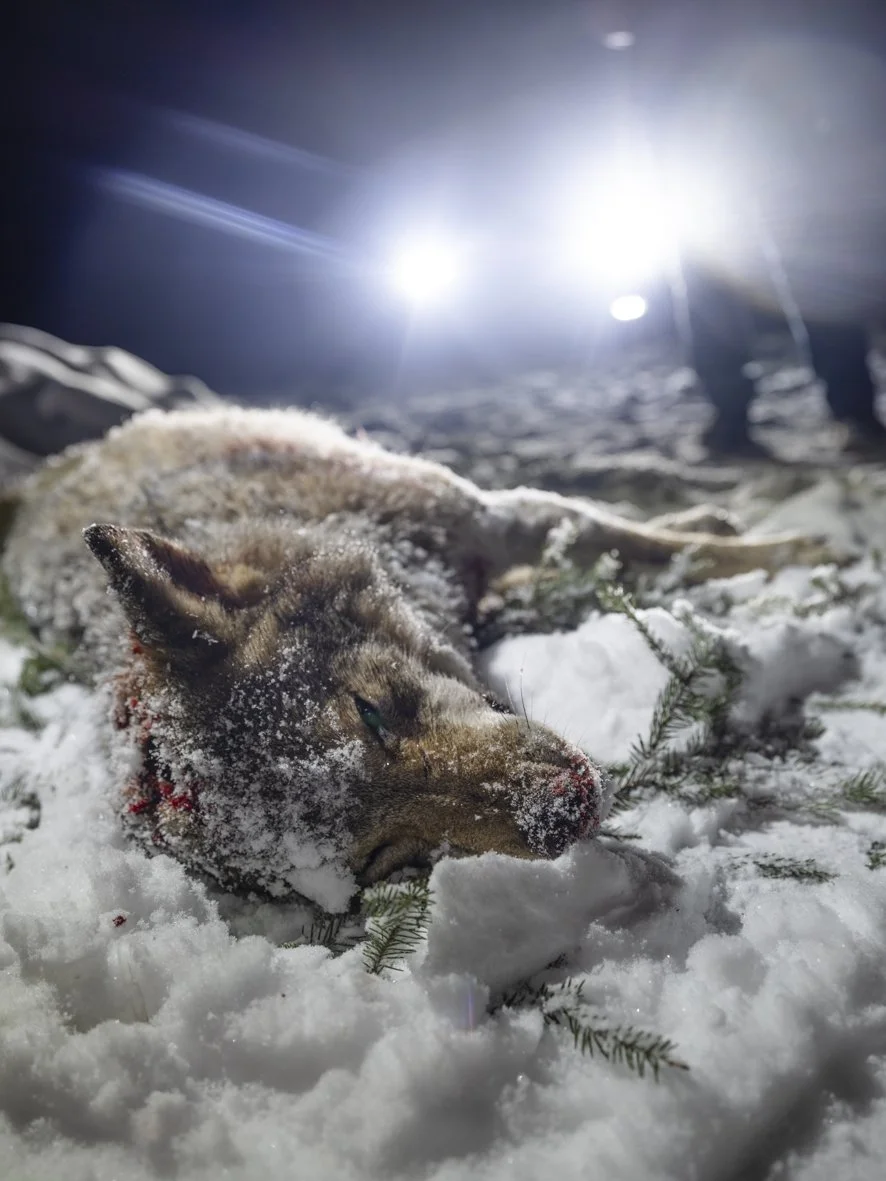
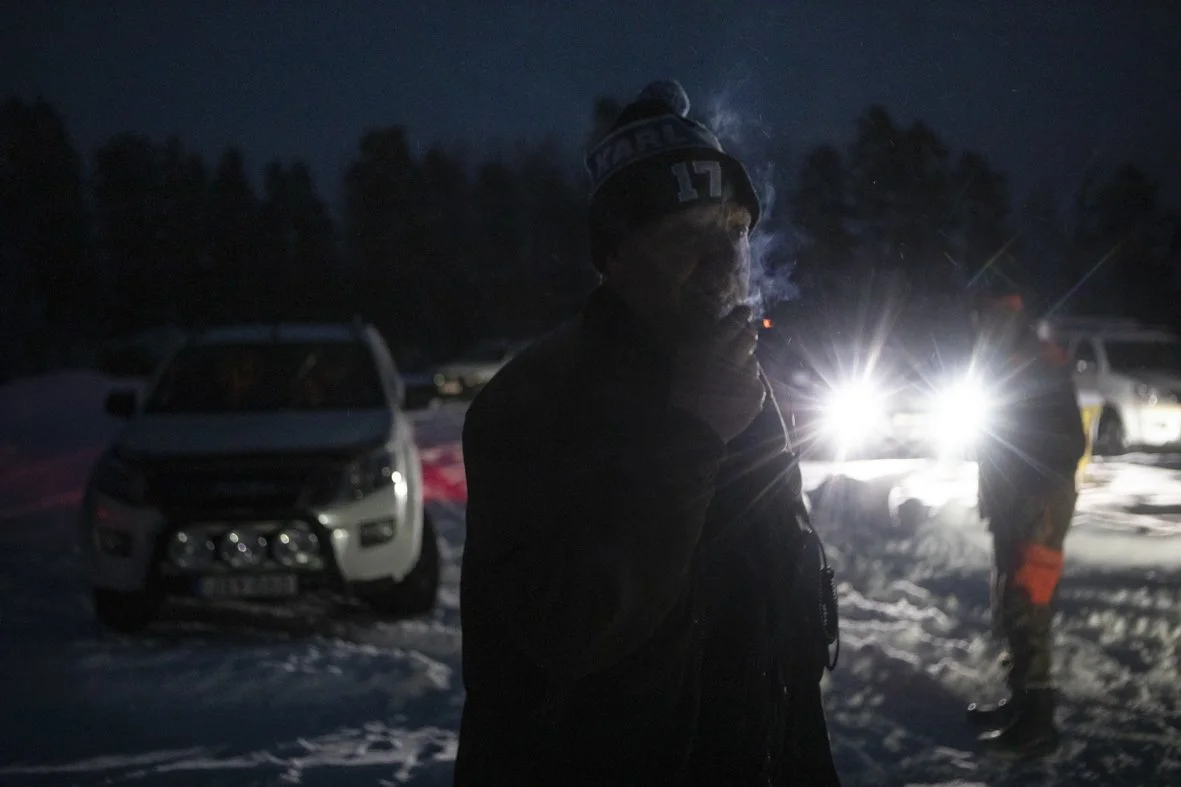
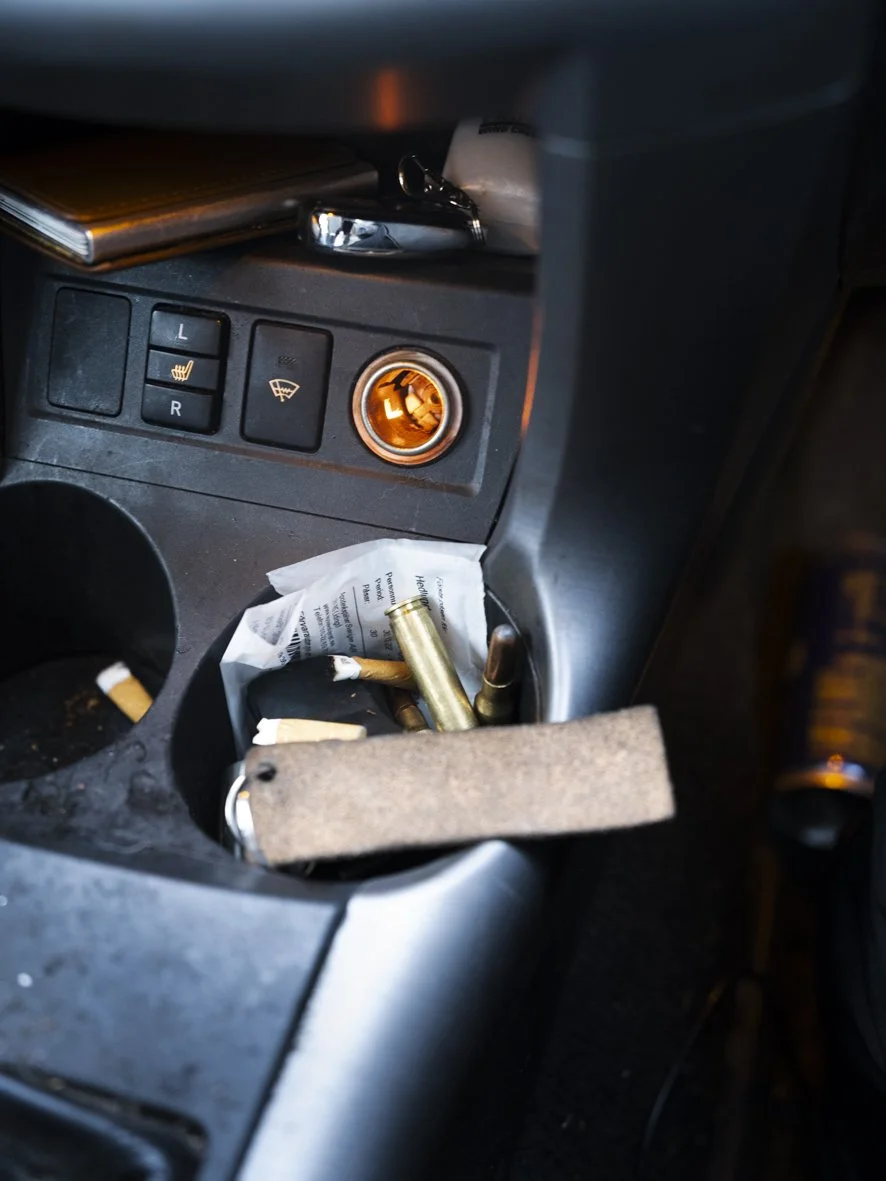
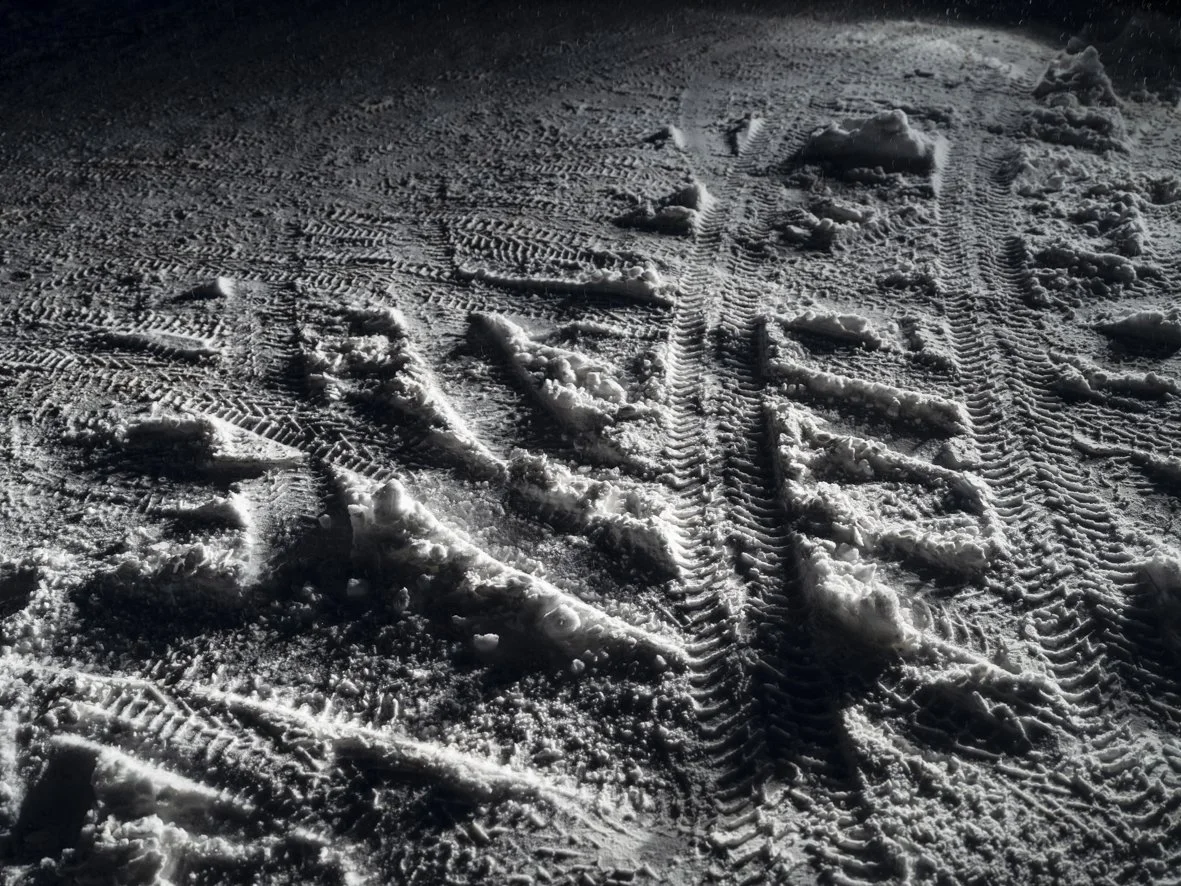
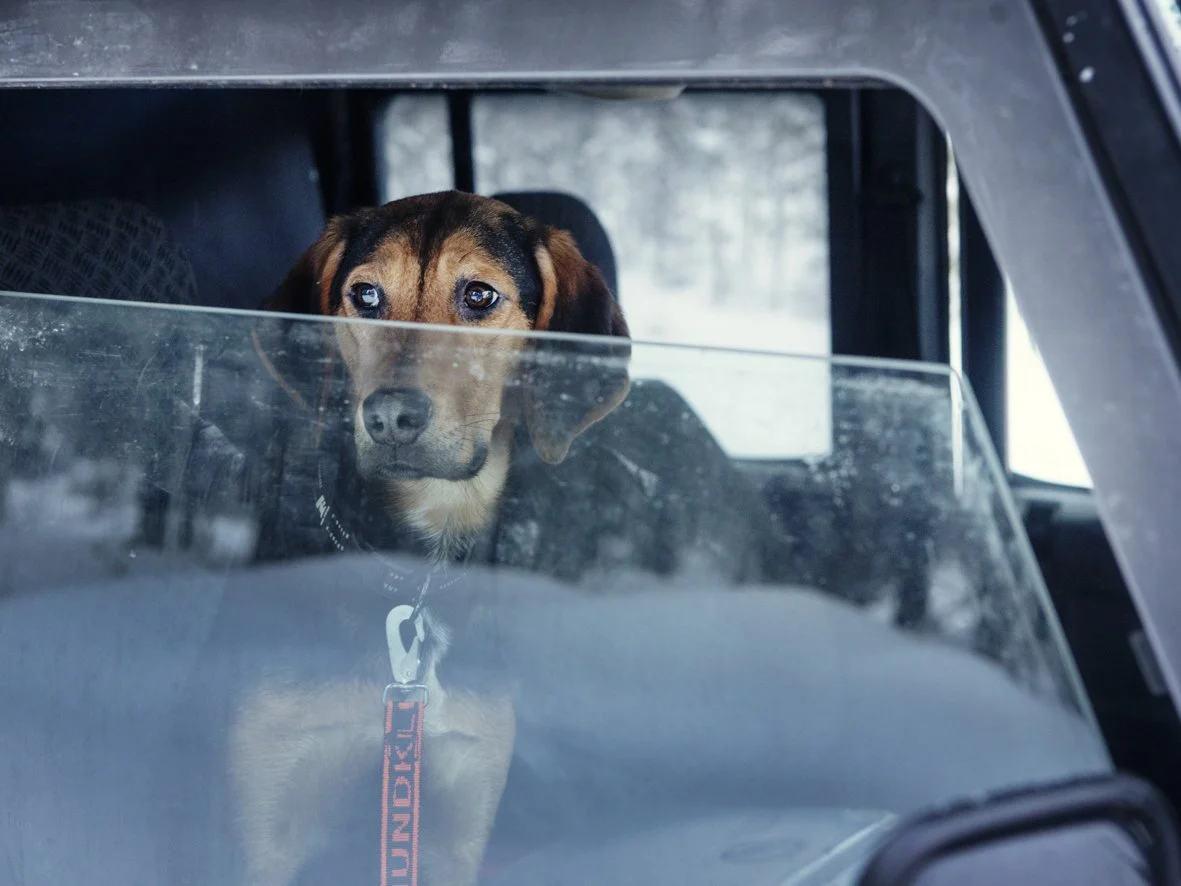
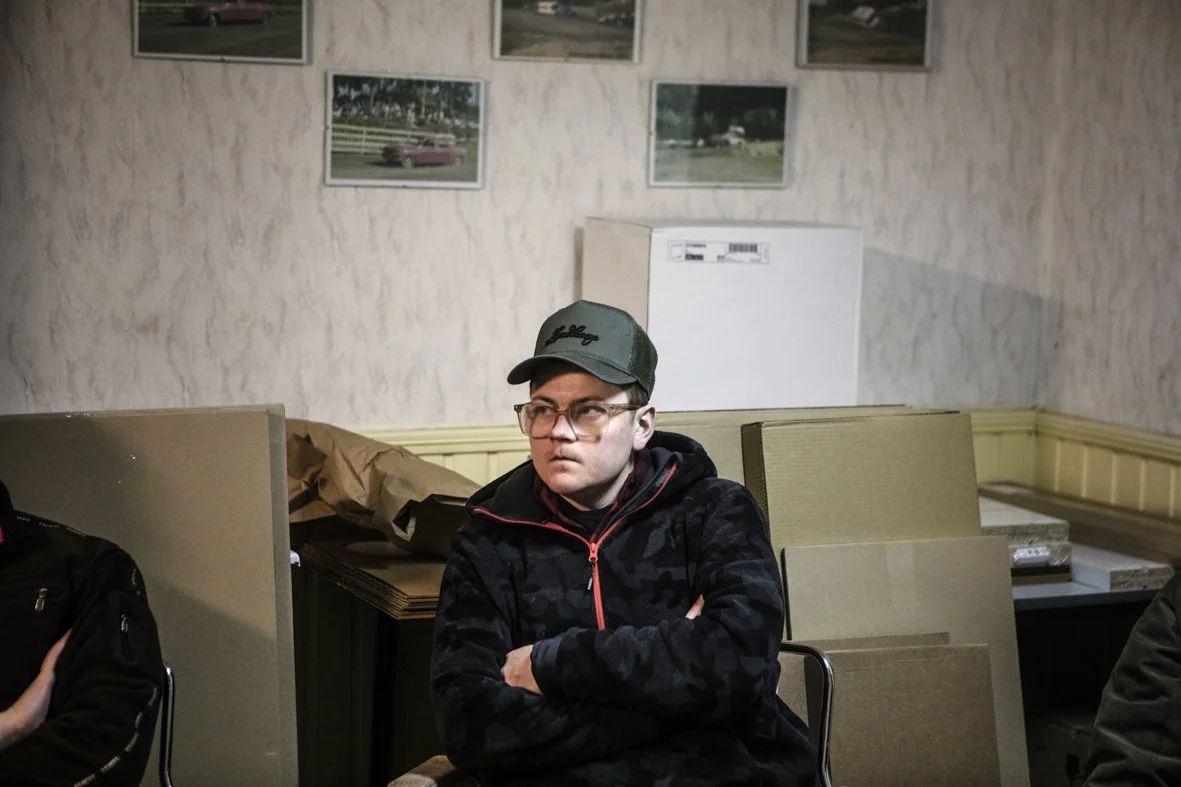
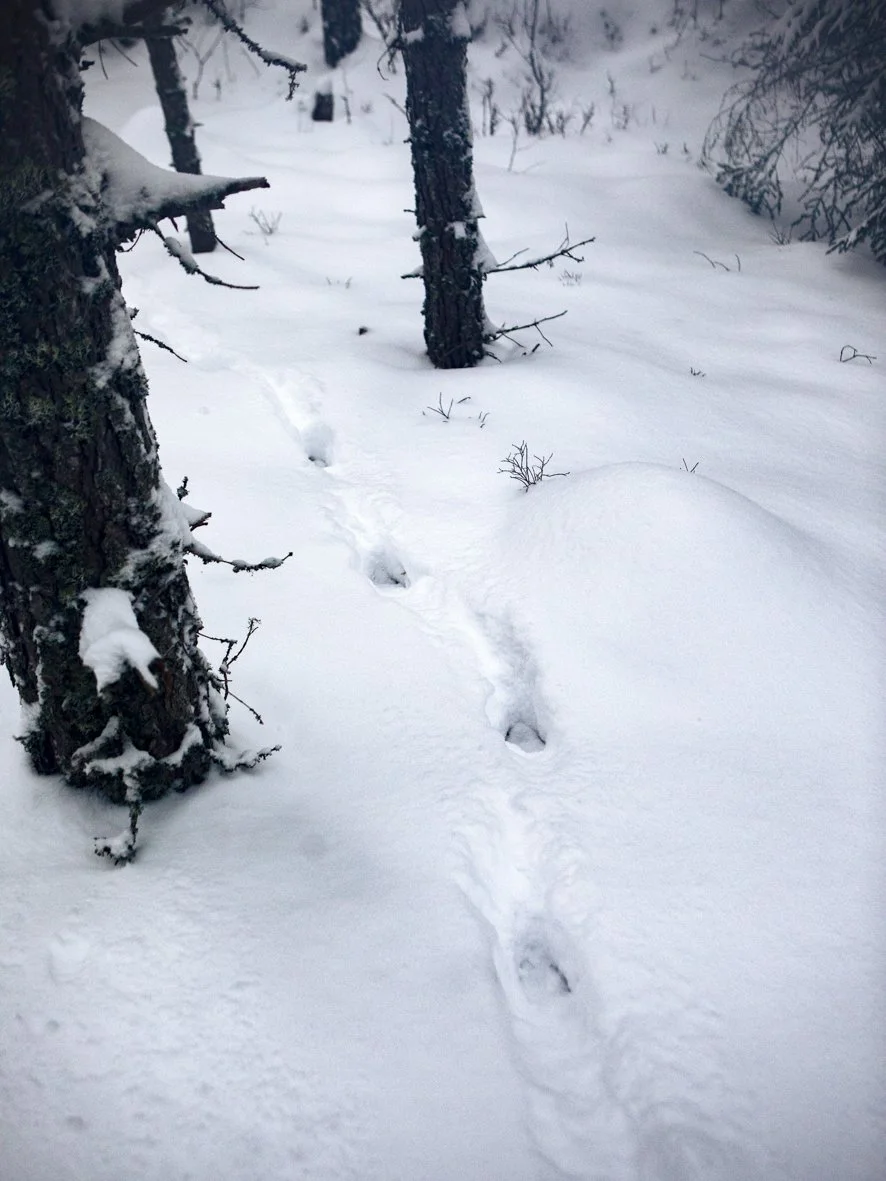
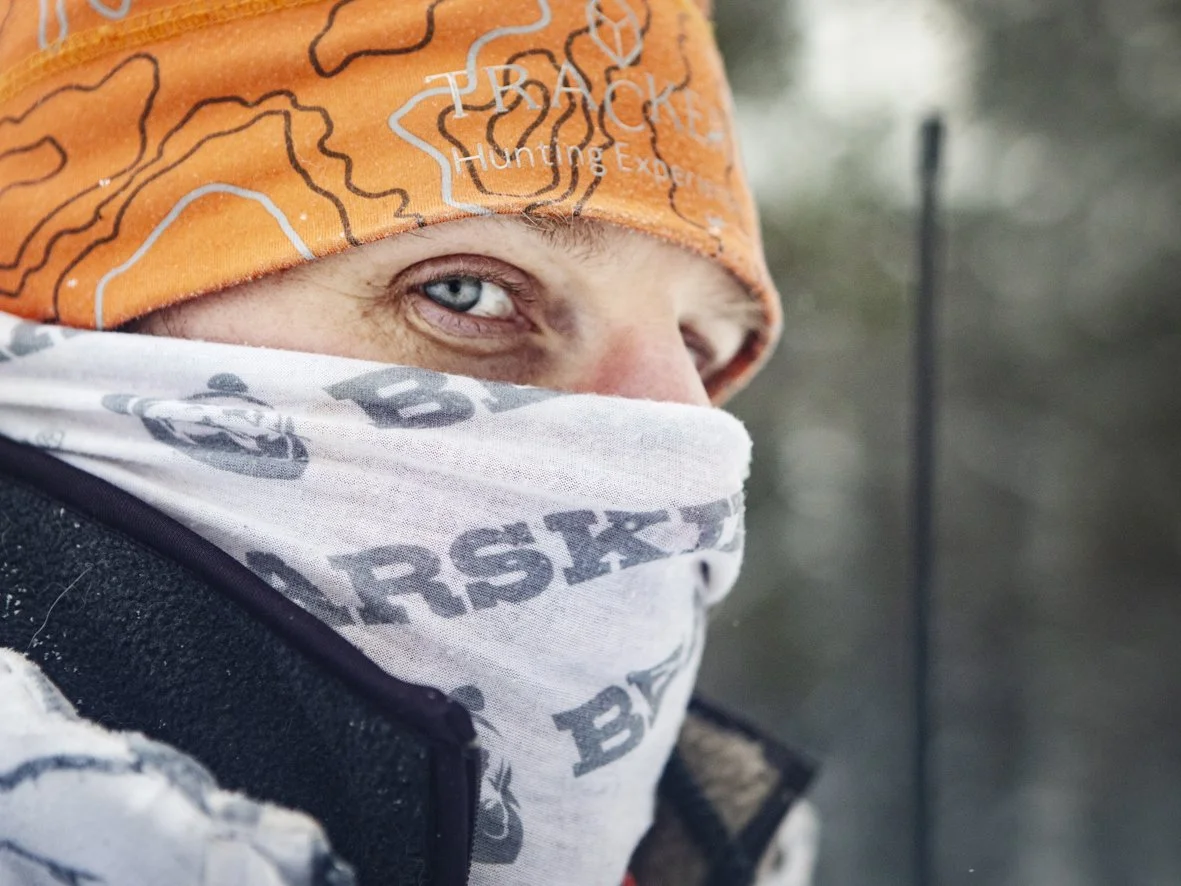
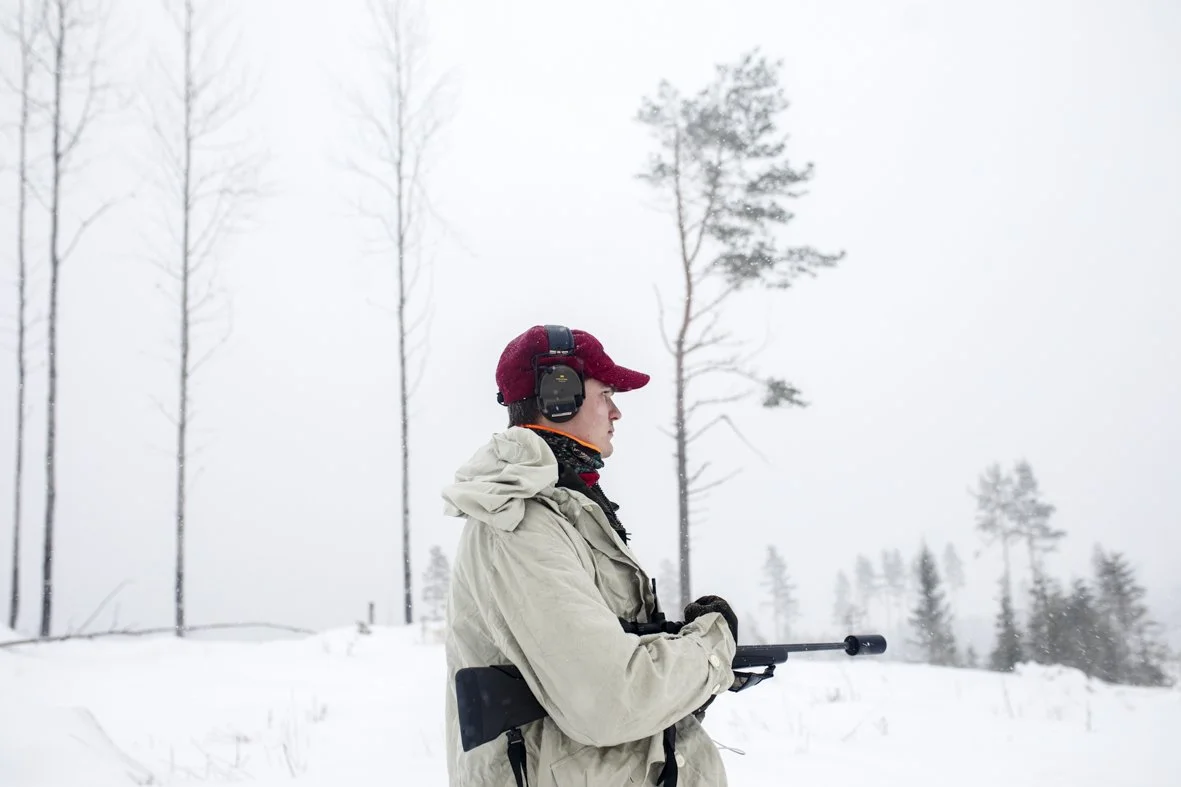
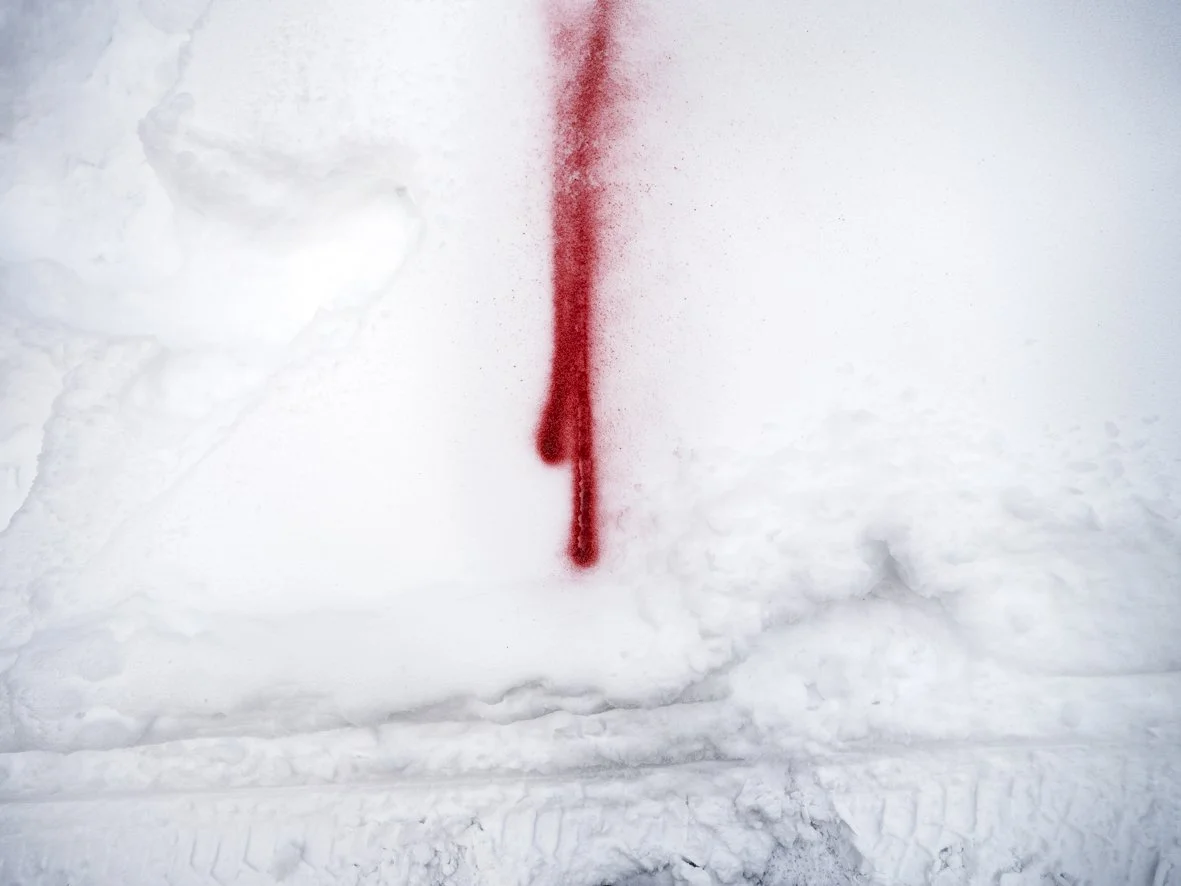
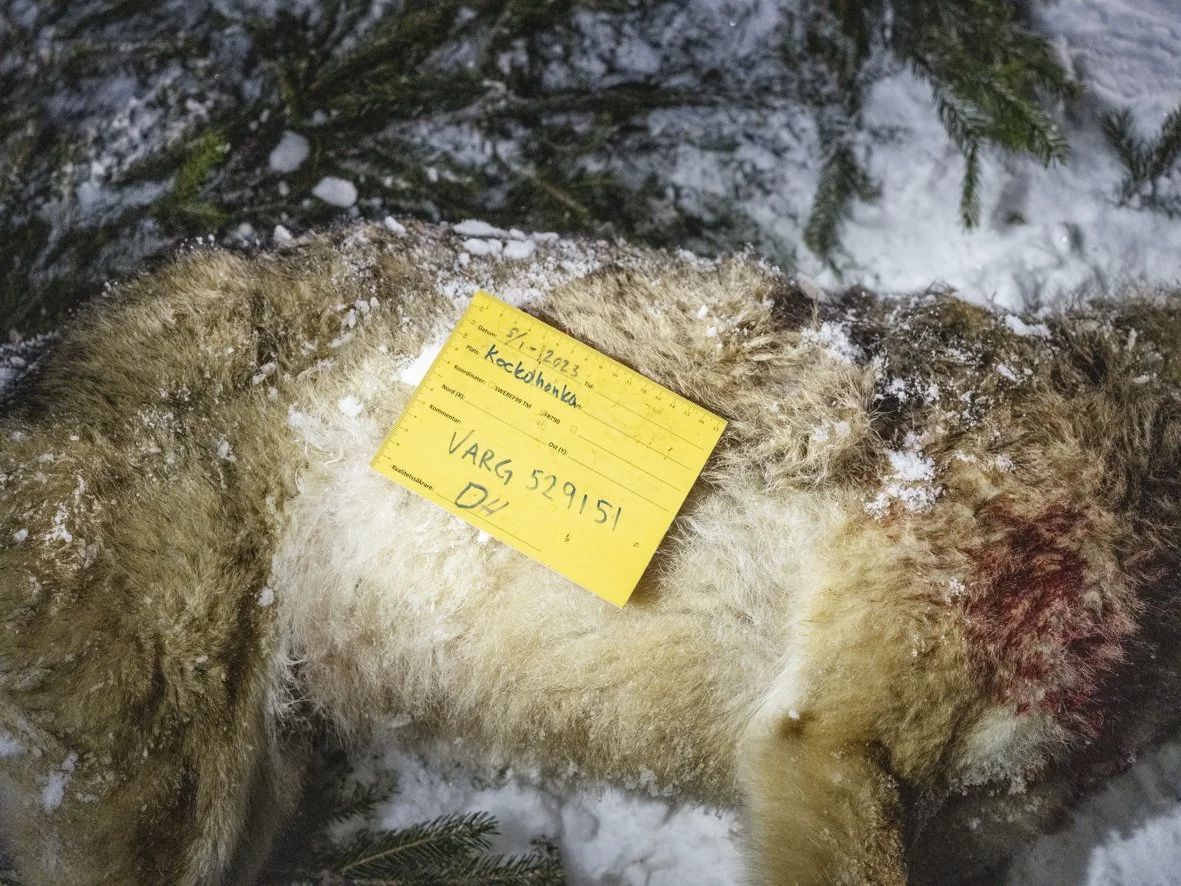
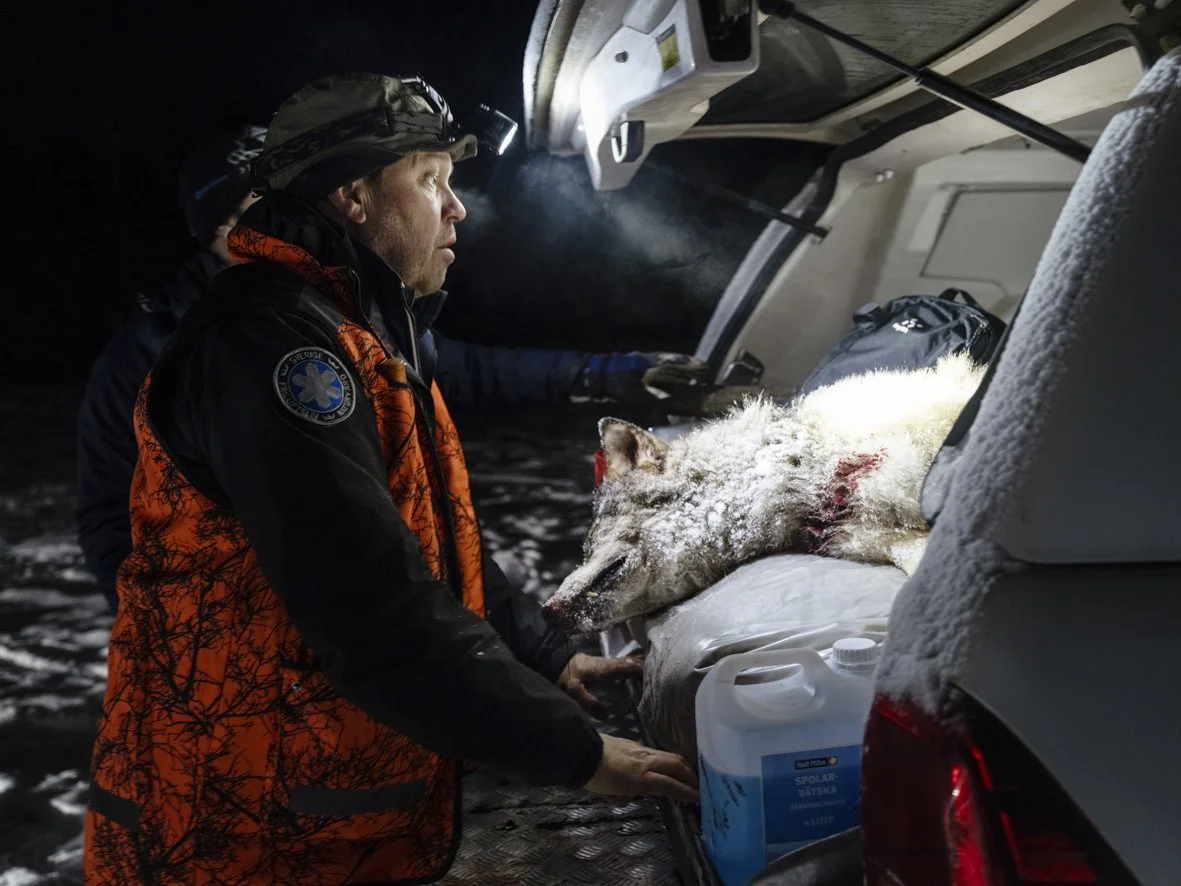
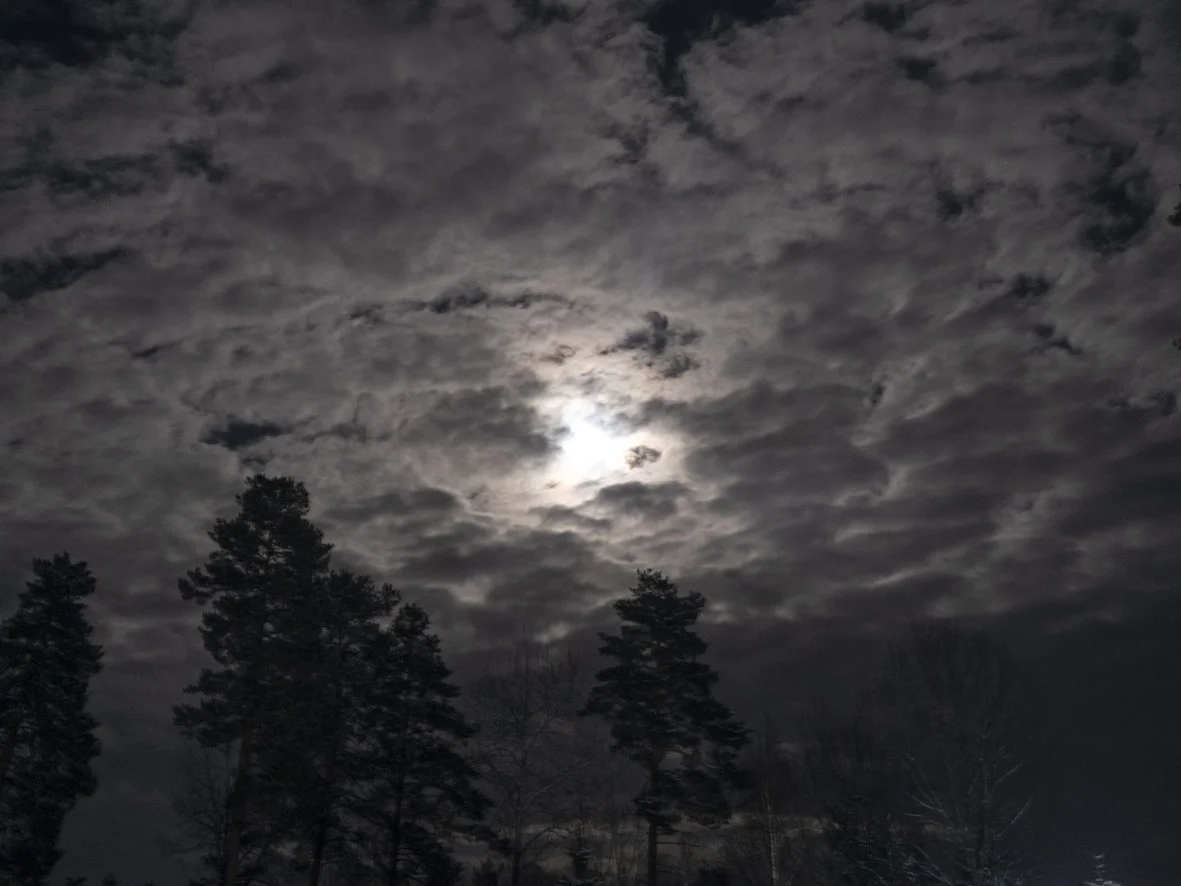
In 2023, Sweden launched the largest wolf cull in its modern history. I was the only photographer and journalist granted access to document the hunt in the Kockohonka territory, deep in the forests of northern Värmland. During my time there, the pack’s alpha female was killed.
In Sweden, the wolf remains a deeply polarizing symbol — seen by some as a vital and vulnerable part of biodiversity, by others as a threat. Since this report was made, the European Union has moved to reduce protections for wolf populations across Europe.
“The hunters stand close to the dead wolf, forming a half-circle in front of her. She is there — and yet not. She looks like a large dog, with thick, grey-speckled fur and an unusually full, beautiful tail. It’s in the details that the wildness remains. Her canines are larger than those of the biggest German shepherd. The dewclaw — razor-sharp. And the smell — sewage and blood.”
Read the full report here.




Wolfdog
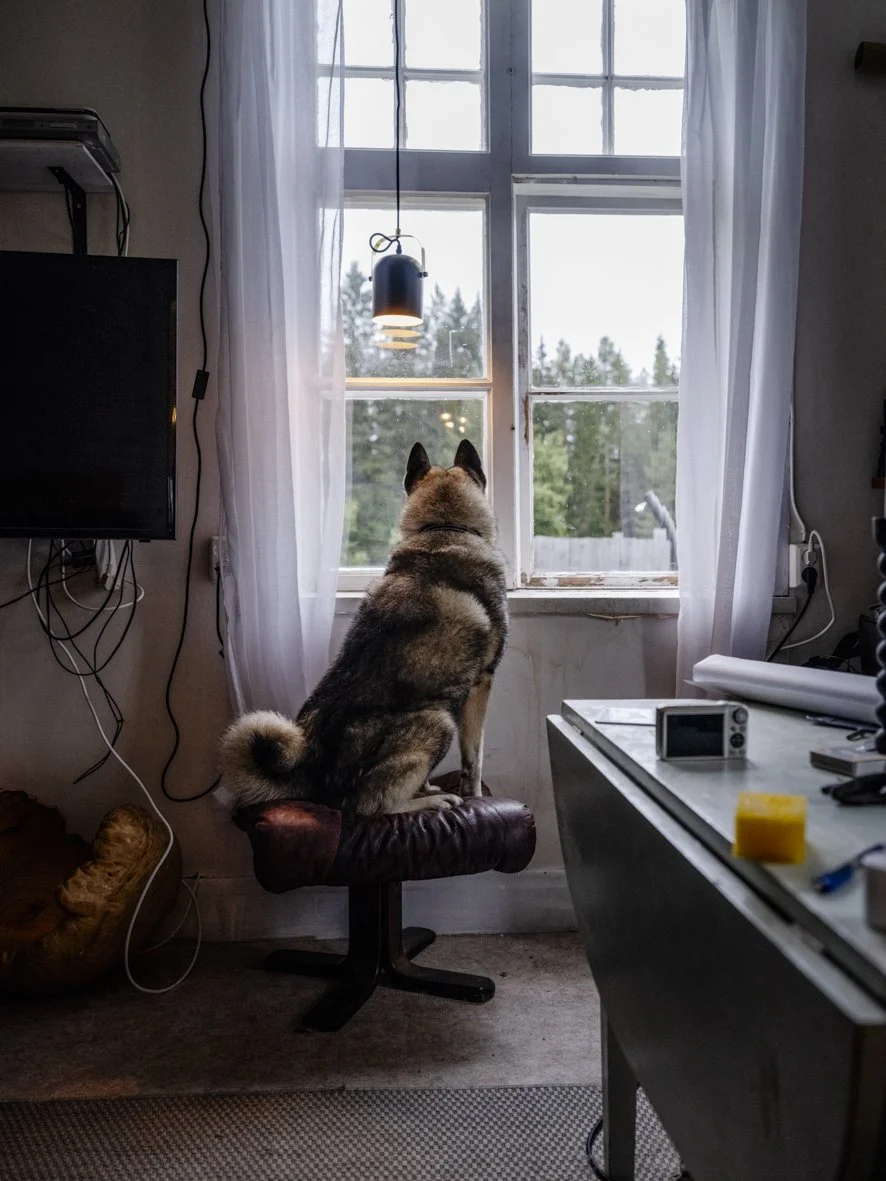
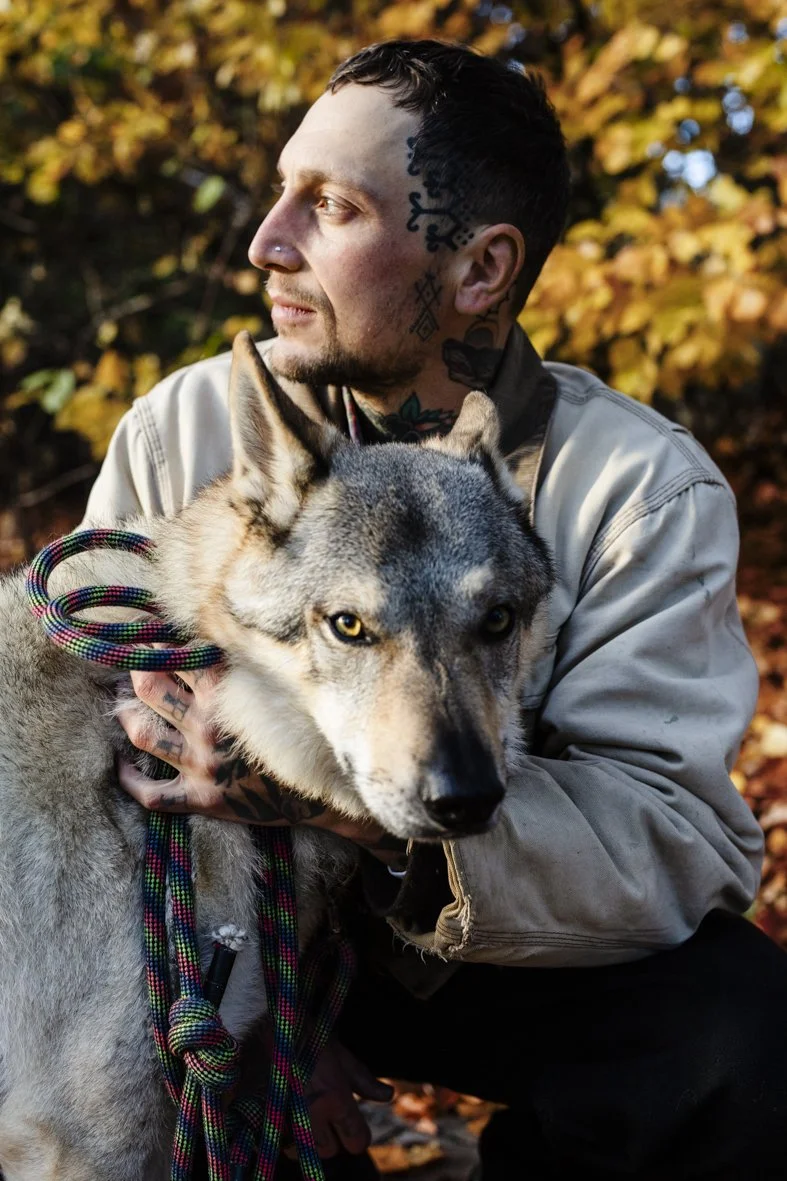
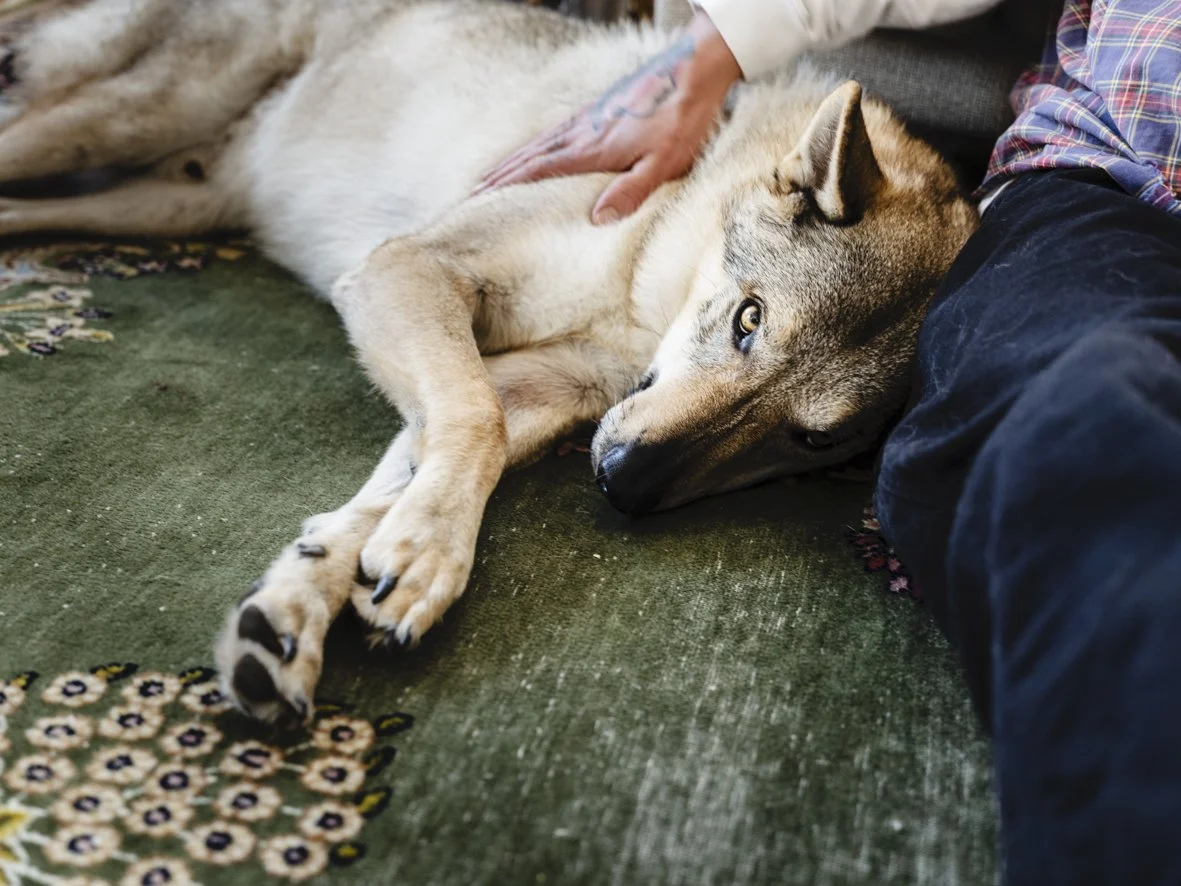
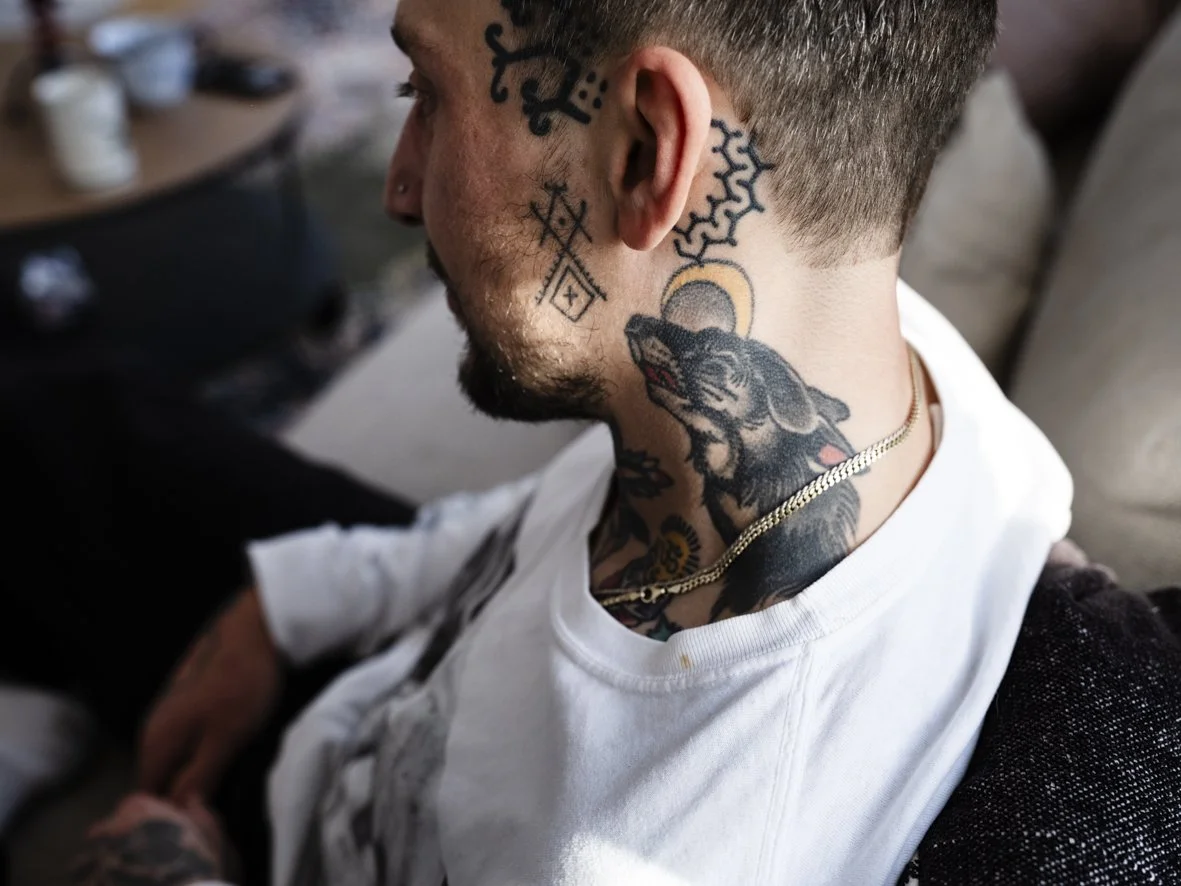
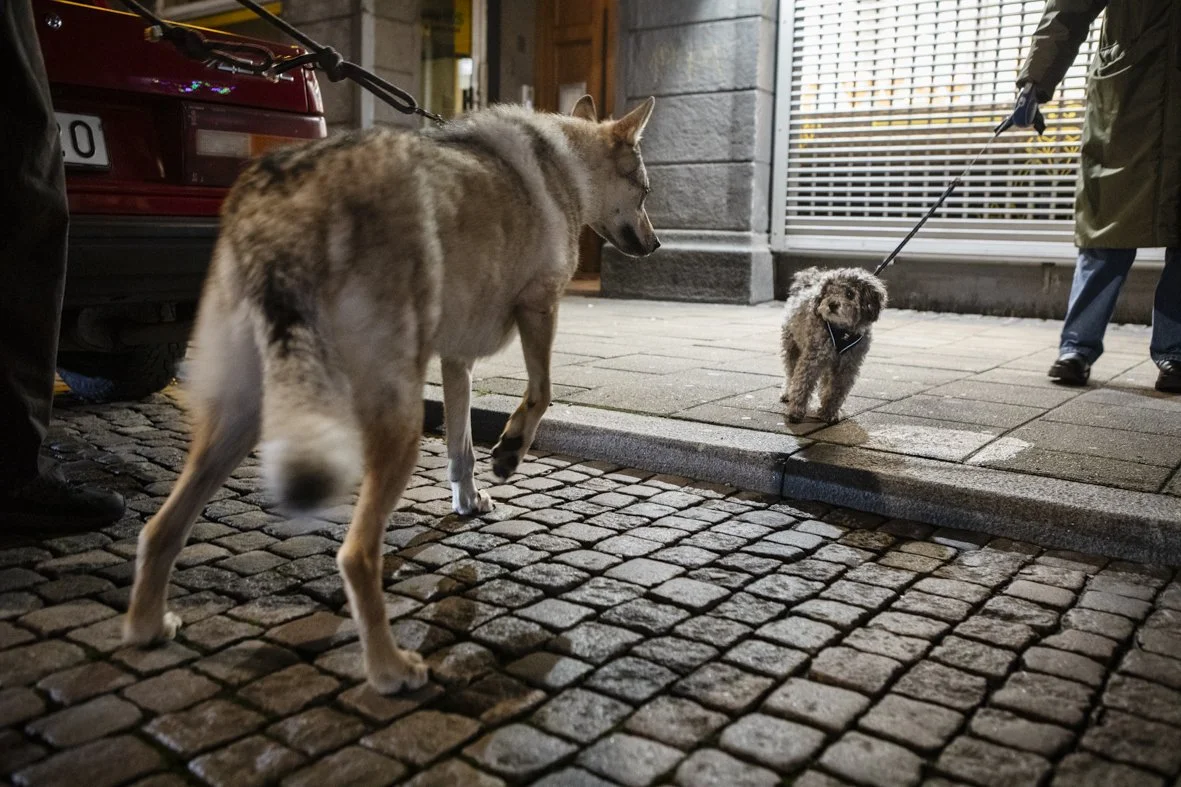
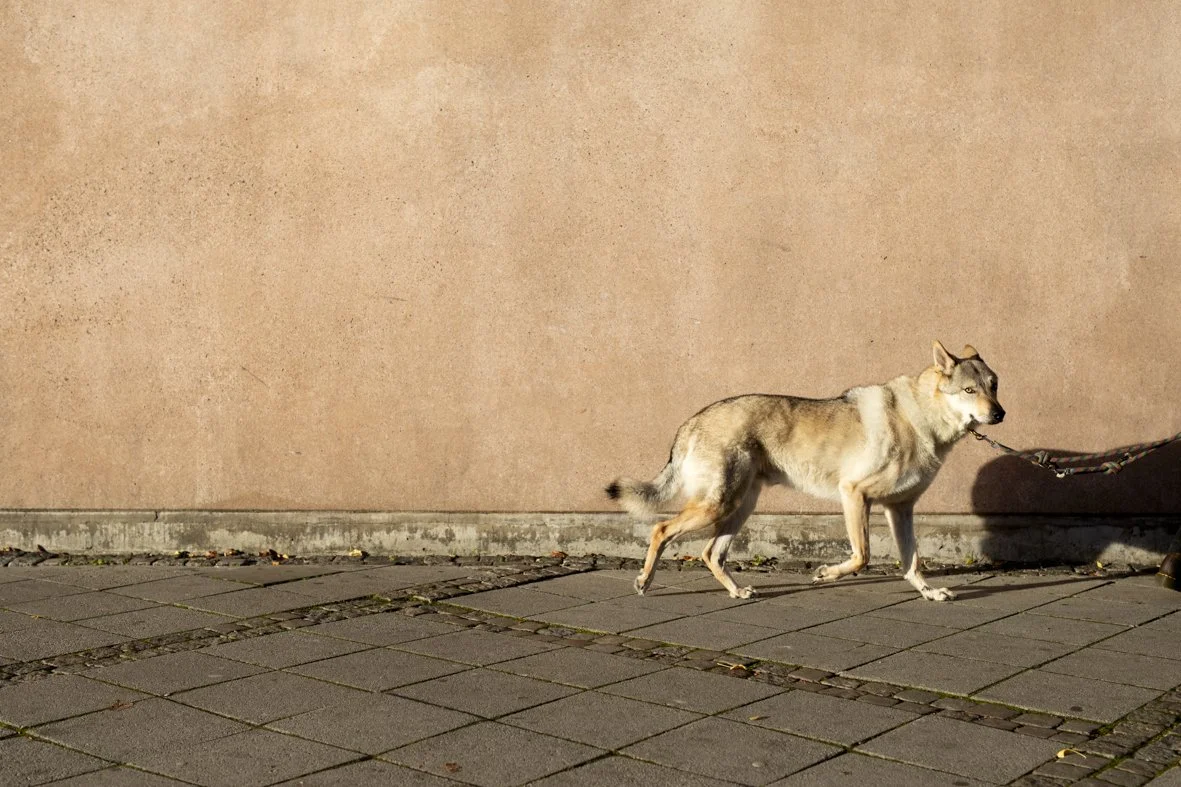
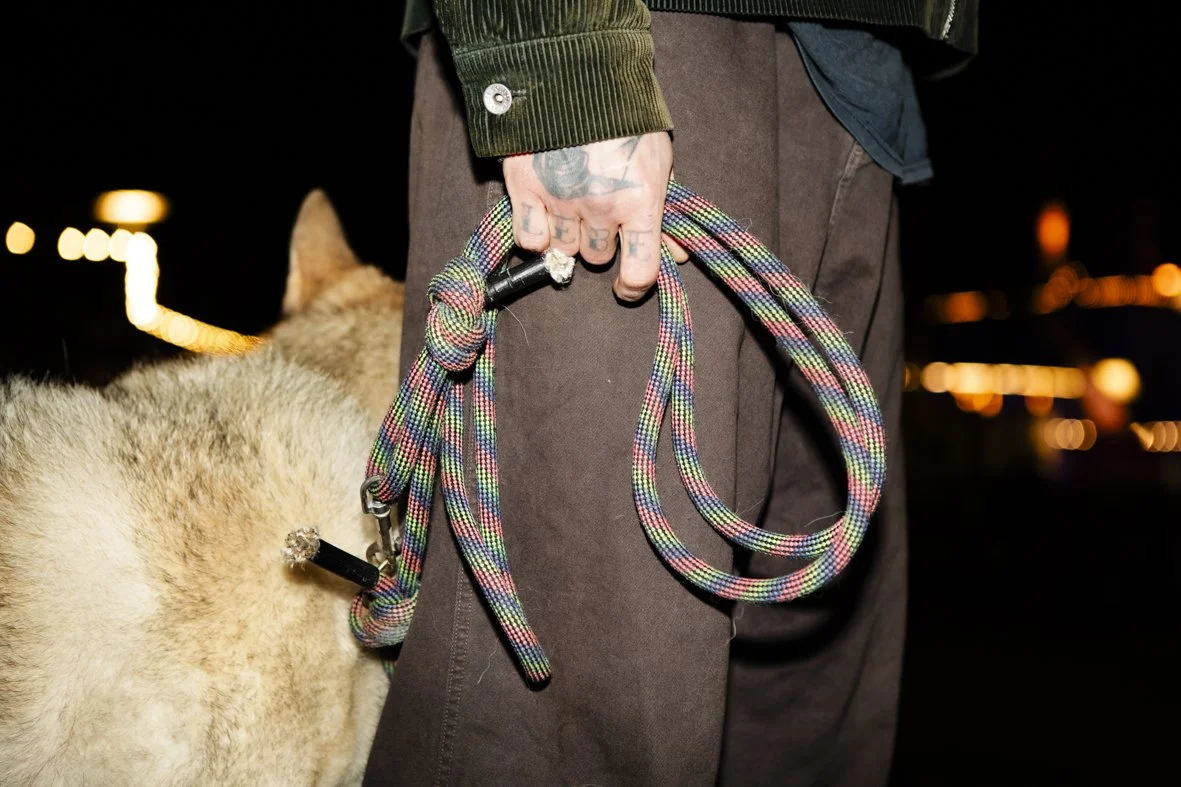
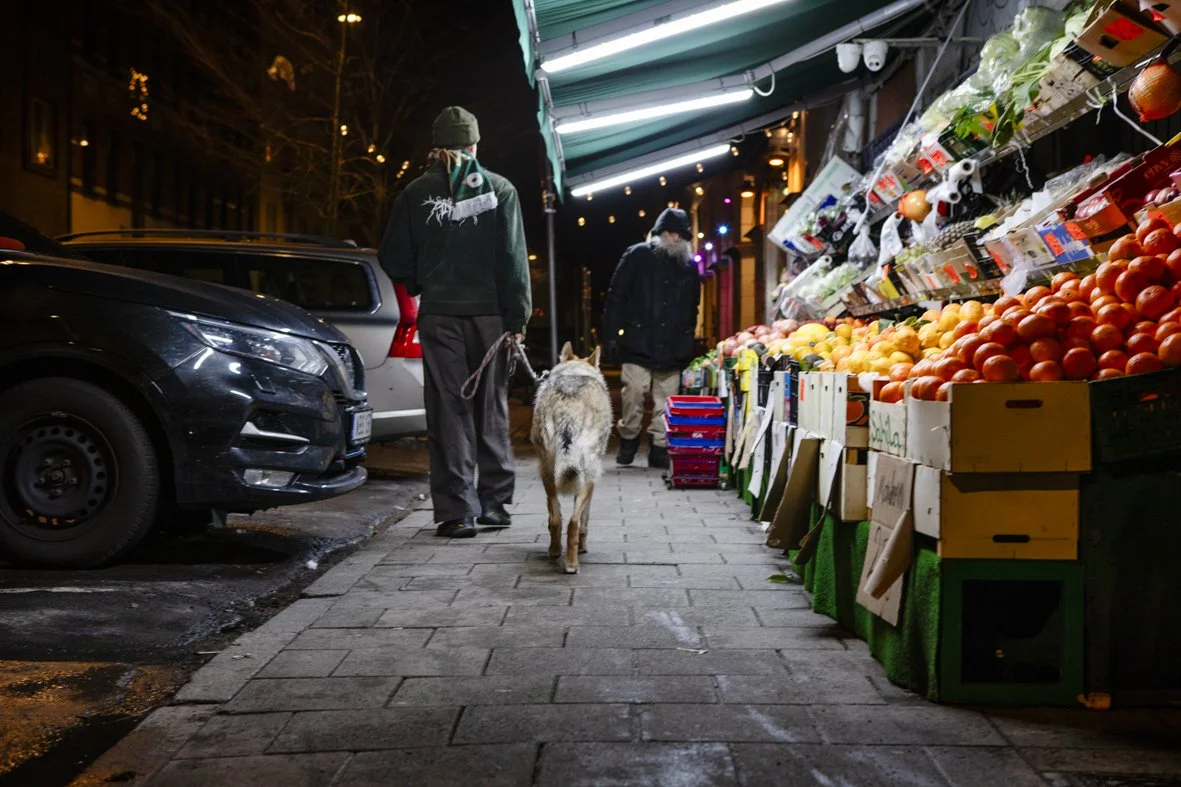
As a continuation of my exploration of our relationship with wolves, I met Josef and his Czechoslovakian Wolfdog, Anoosh. The breed was developed in the mid-20th century by crossing wolves with German shepherds. Wolfdogs and so-called wolf hybrids are becoming increasingly popular. Perhaps our lost connection to nature is part of the reason. One thing is certain: a wolfdog demands total focus from its owner.
“When I got him, I thought that if I was just kind to him, he would never show aggression. I was naive. I’d had dogs before, but this was something entirely different. I’d never had a dog who didn’t care about treats or rewards. I could hold a steak in front of him, and he wouldn’t even look at it.”
Read the full report here.

To End a Life
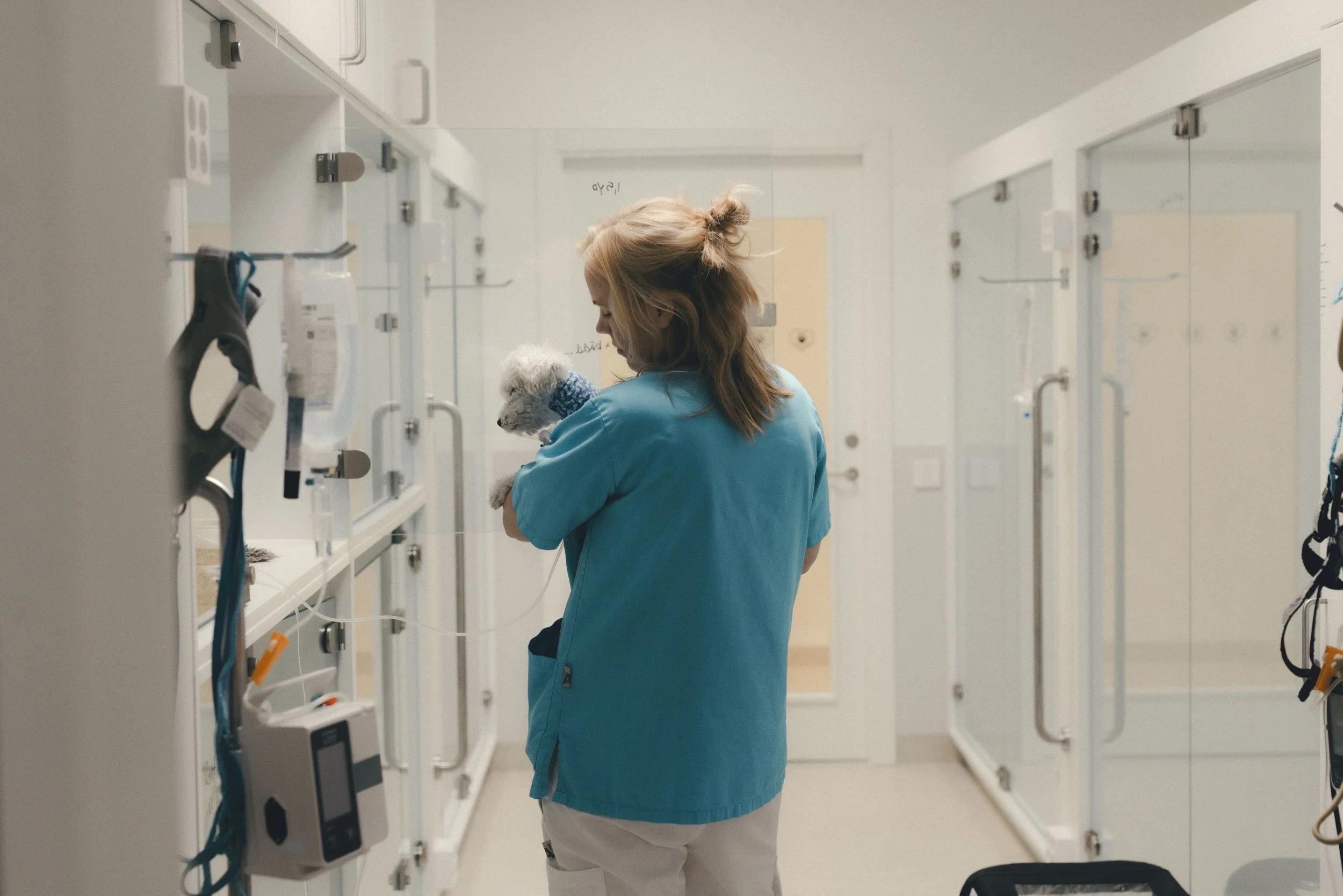
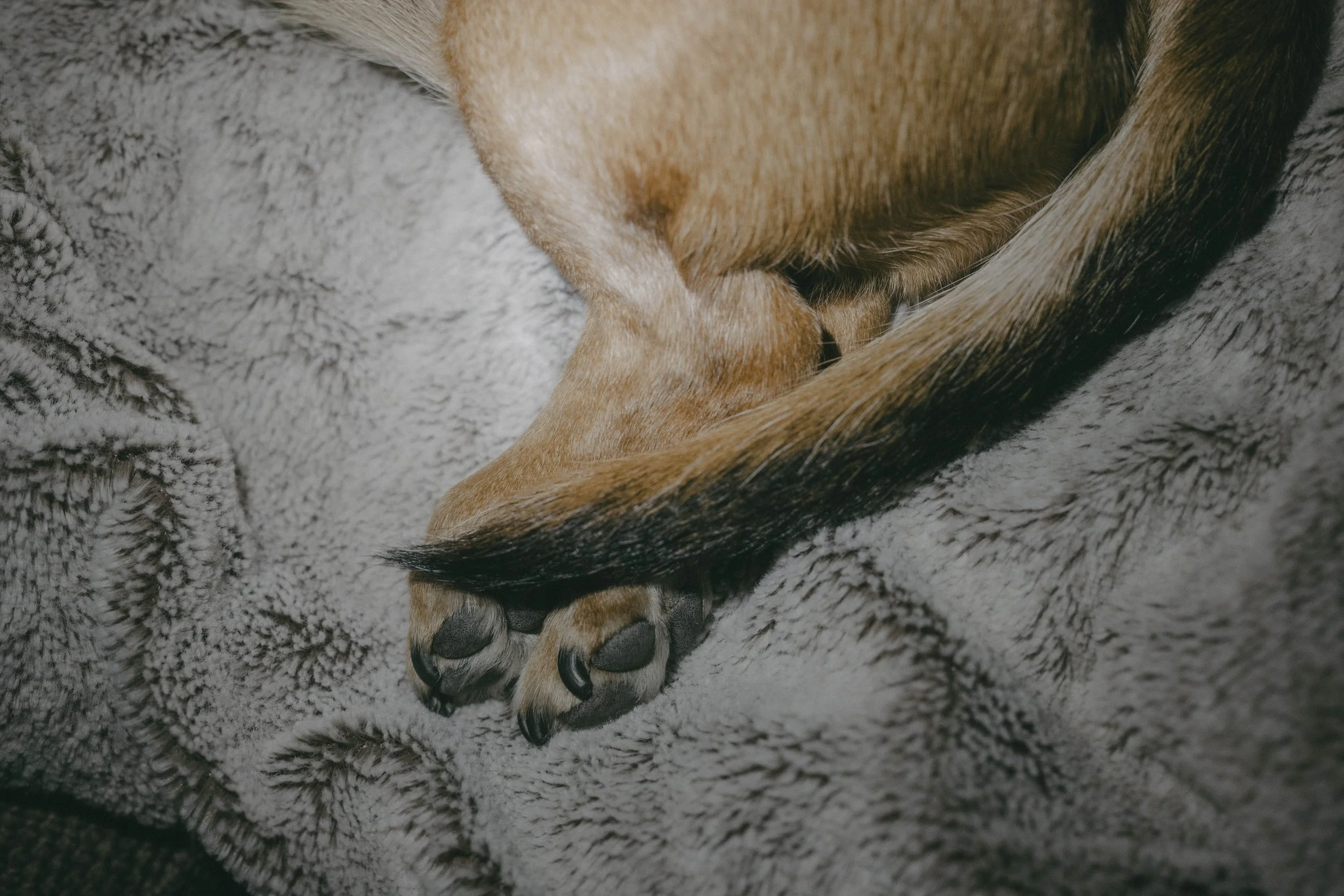
Veterinary medicine is the only healthcare profession where death is an option. For doctors, the guiding principle is to preserve life at all costs. Animals, however, are legally considered property, and humans decide over their life and death. Working as a veterinarian often involves considerable ethical stress, balancing the interests of the patient, the client, and the employer. As a result, many veterinarians struggle with their mental health and resort to self-medication. In this story, I meet three veterinarians who speak about the darker sides of the profession and what it means to love animals while sometimes having to end their lives.
Read the full report here.





After the Chimpanzee Shootings
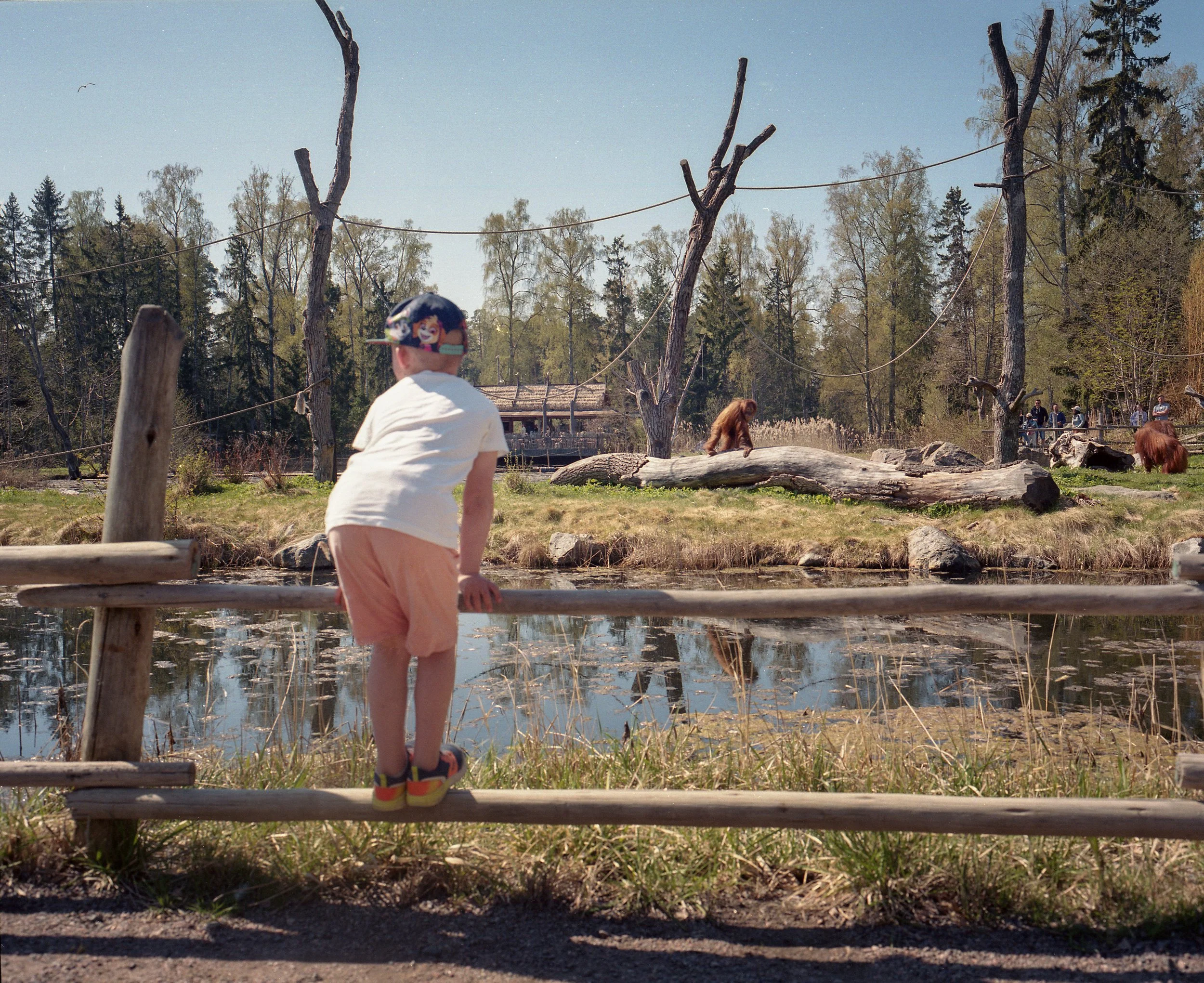
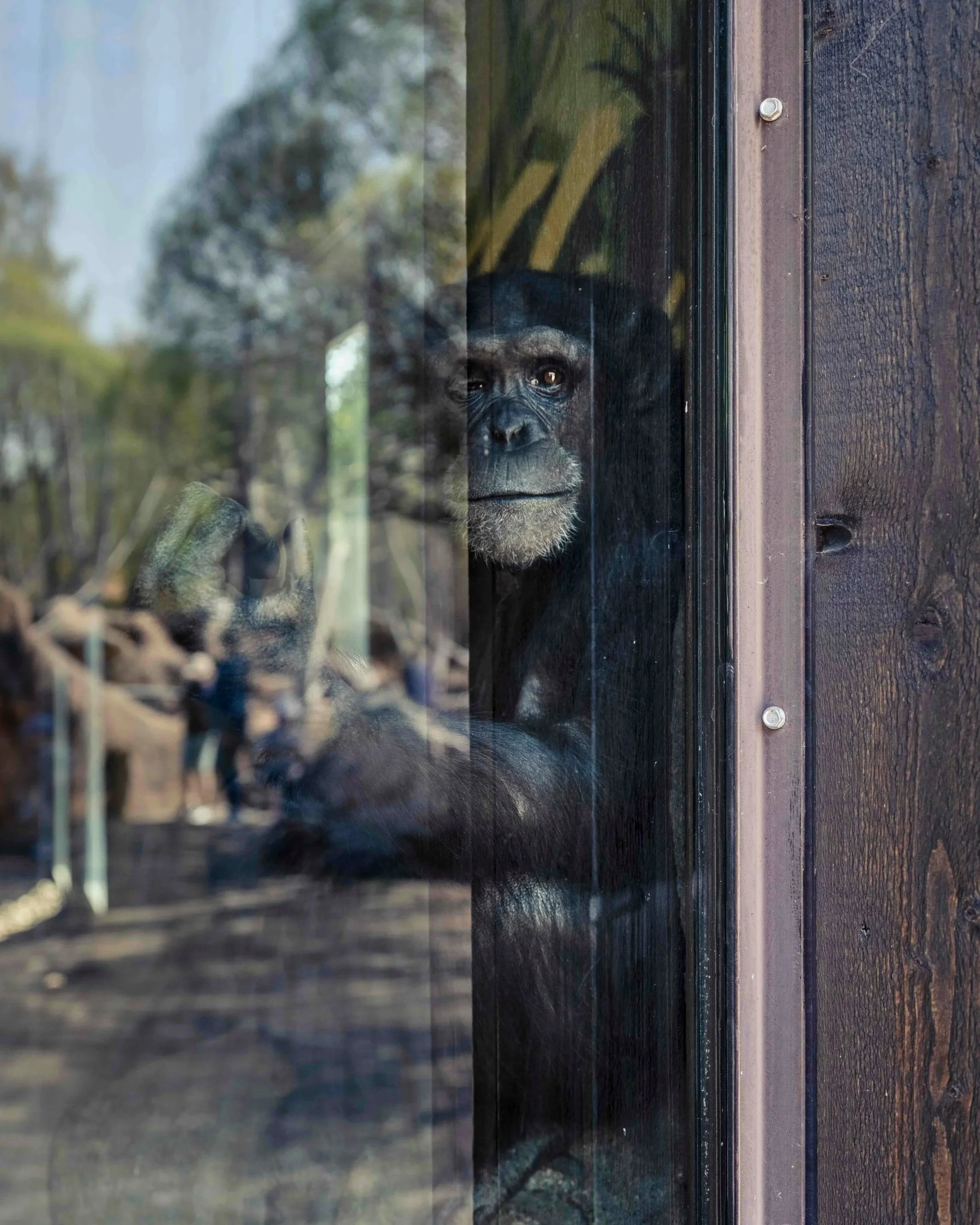
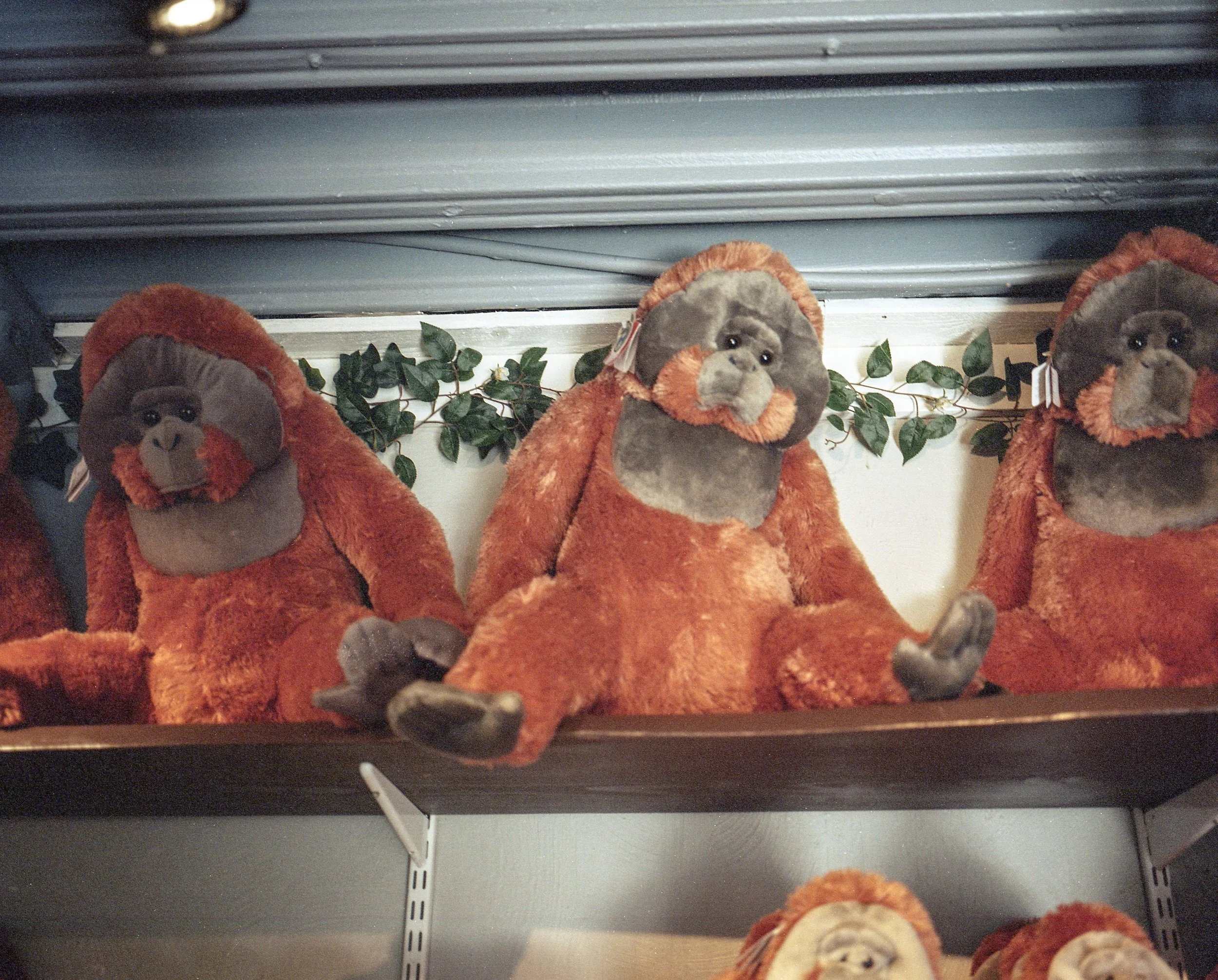
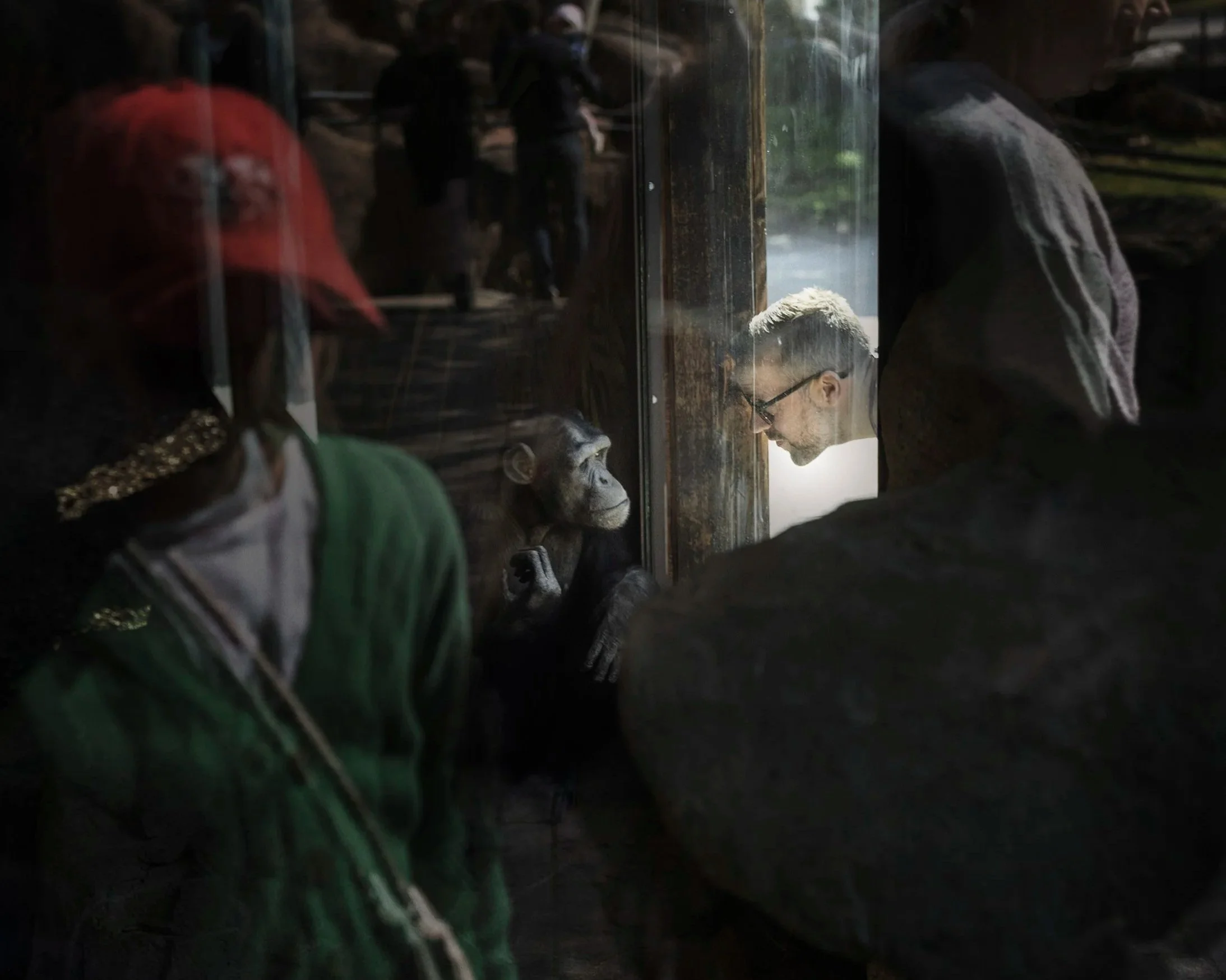
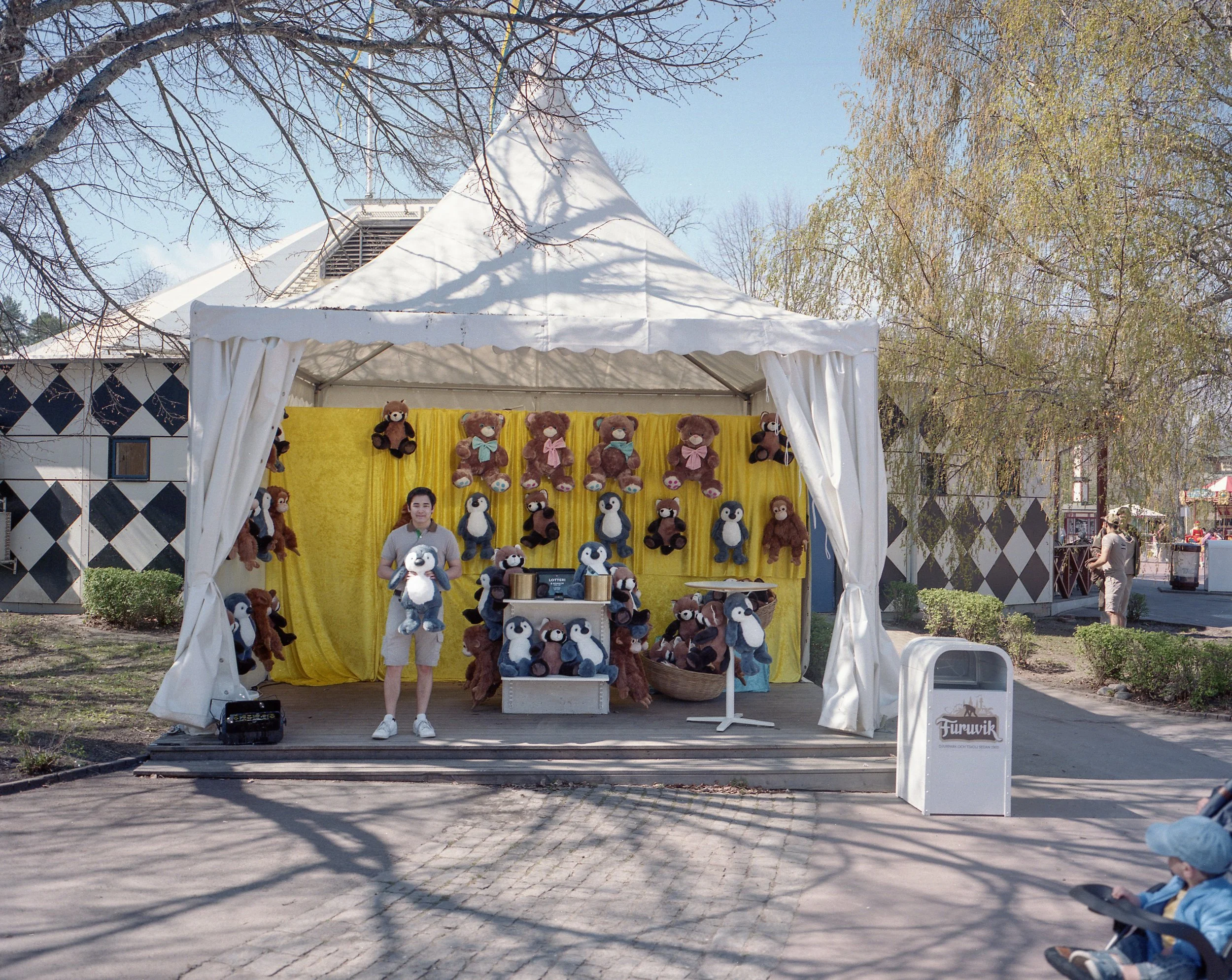
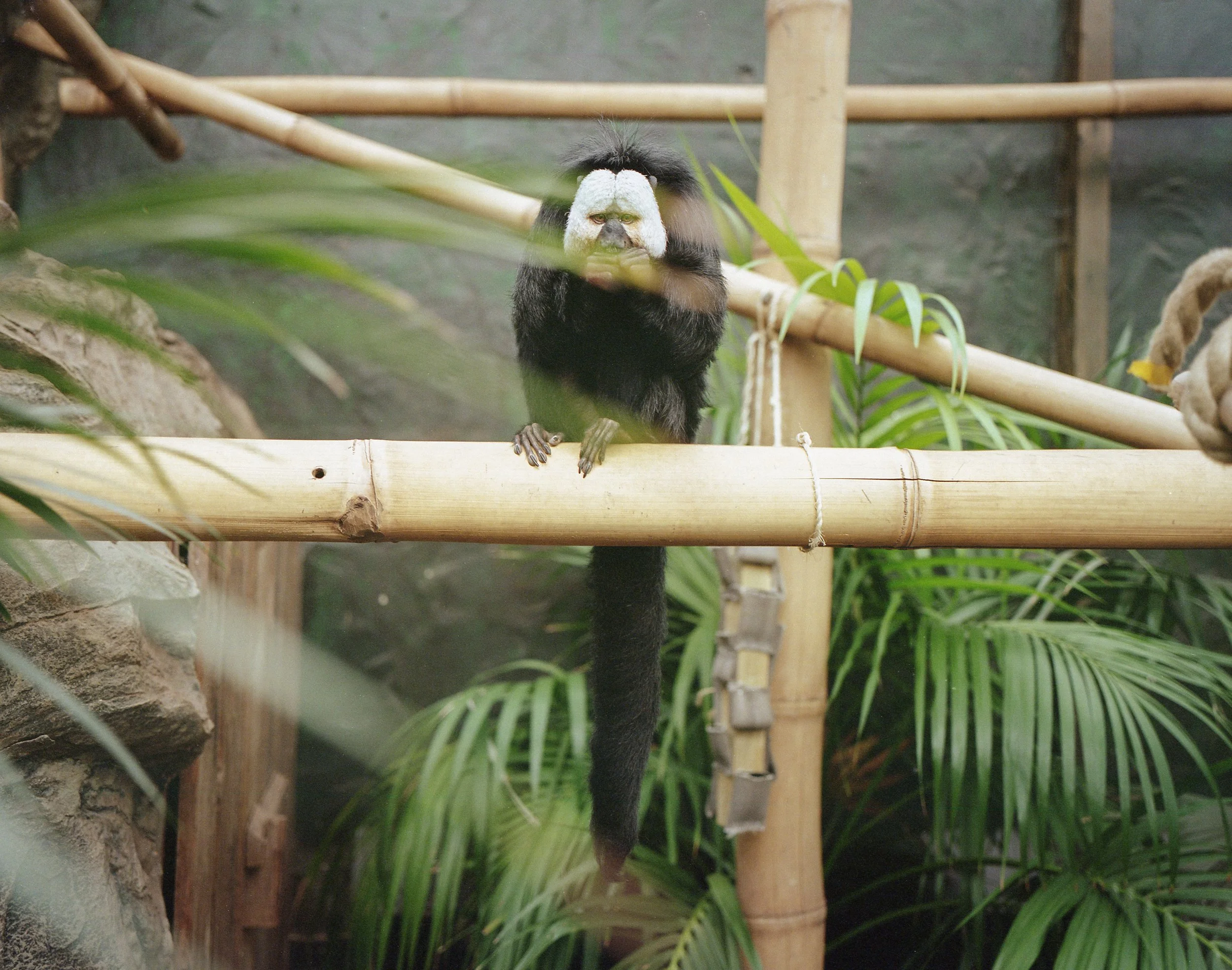
In December 2022, a gate to the chimpanzee enclosure at Furuvik Zoo was left unlocked. Several chimpanzees escaped and moved through the zoo. Four of them were shot dead by staff. Selma was hit in the eye and arm by a shotgun but survived. Six months later she was presented to visitors again. I was there the day the park reopened to ask a burning question: what role do zoos play in today’s society?
Read the full report here.
Where Have All the Moose Gone?
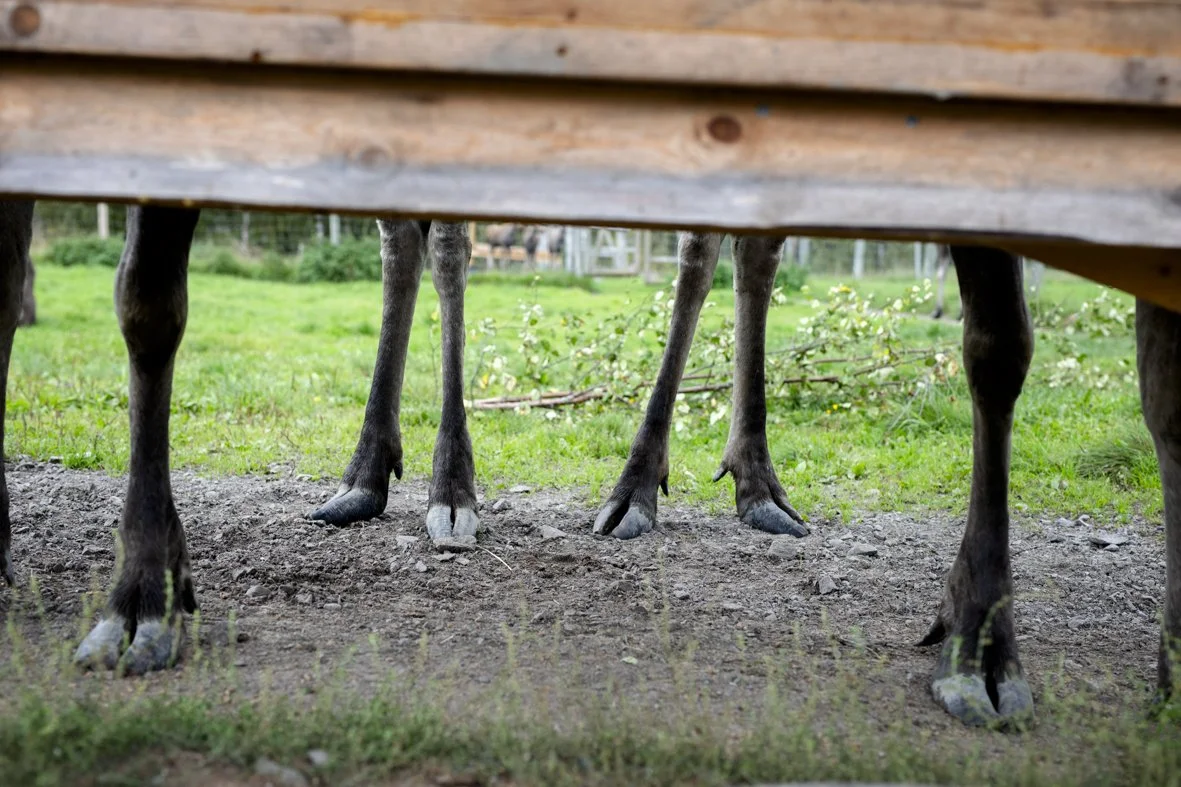
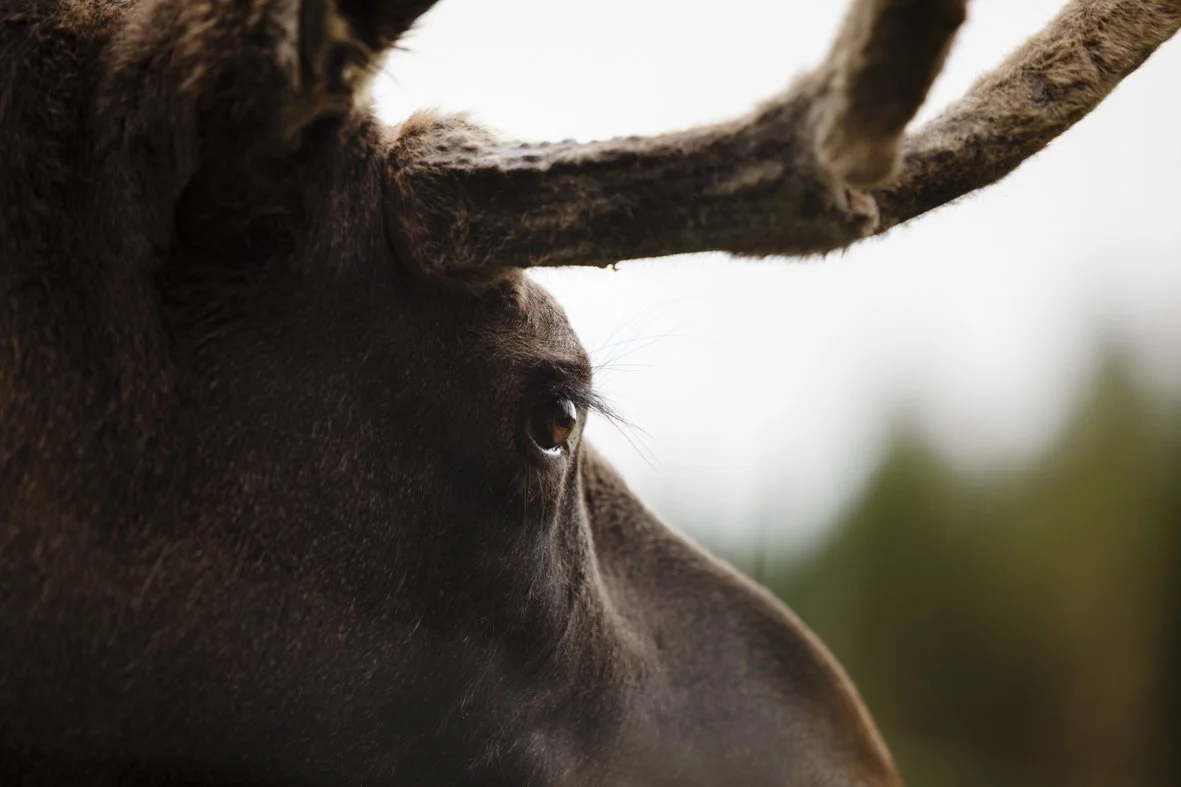
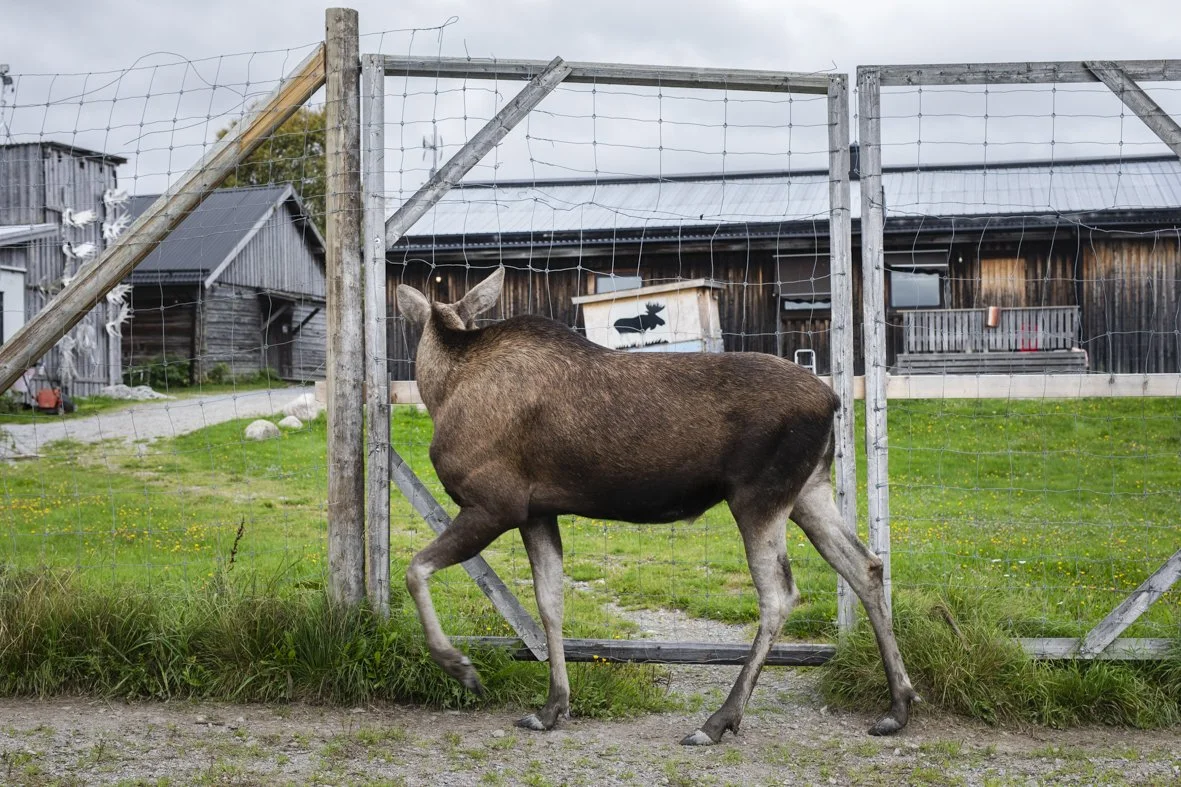
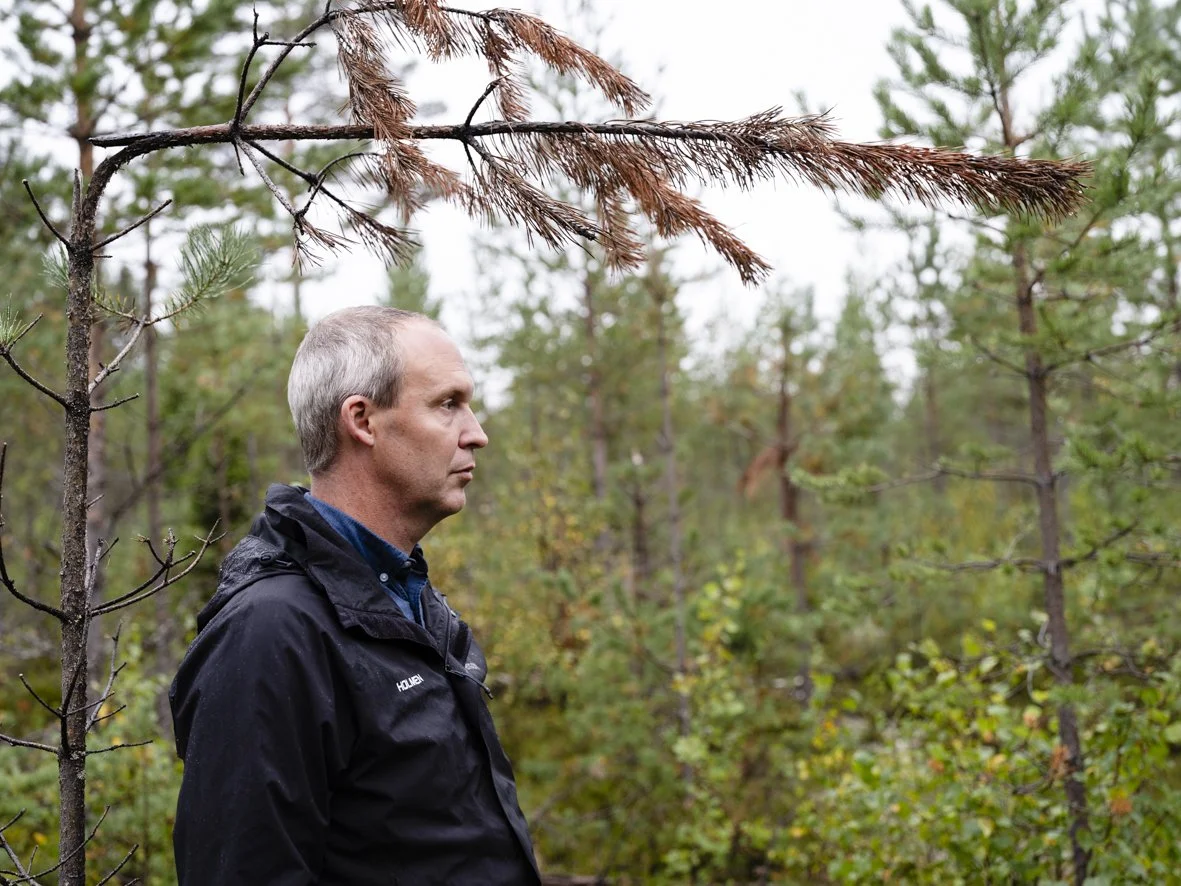
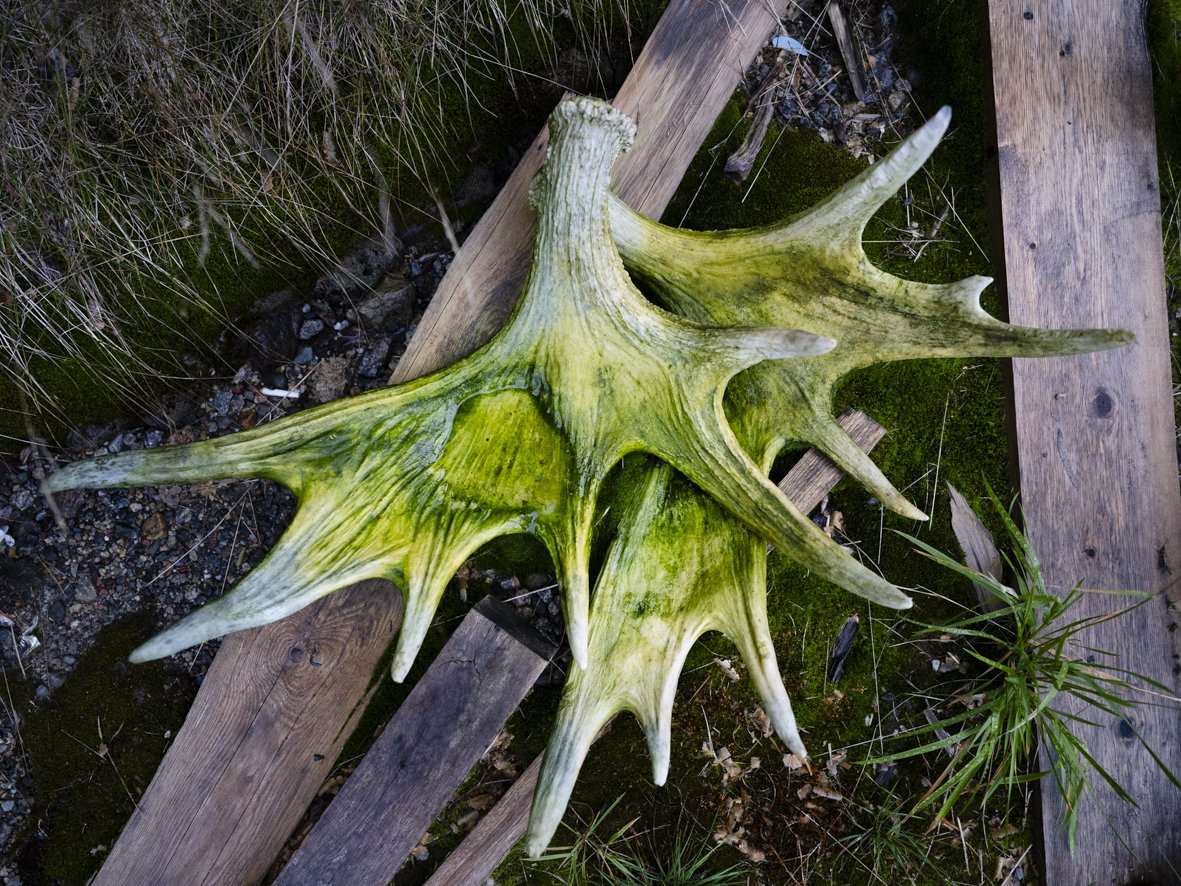
The moose – Sweden’s national symbol – was once so common that German tourists travelled north in large numbers just to see the great animal. All it took was a drive into the forest. Moose hunting became a cornerstone of Swedish hunting culture, and in many rural areas children still get time off school when the season begins.
Today, hunters warn that the population is declining. Changes in forestry have led to more spruce and less pine – the moose’s preferred food. The remaining animals gather in young pine plantations, causing damage to forestry companies’ property and leading to calls for more intensive hunting. In some regions the moose population has fallen so sharply that researchers have raised concerns about its future.
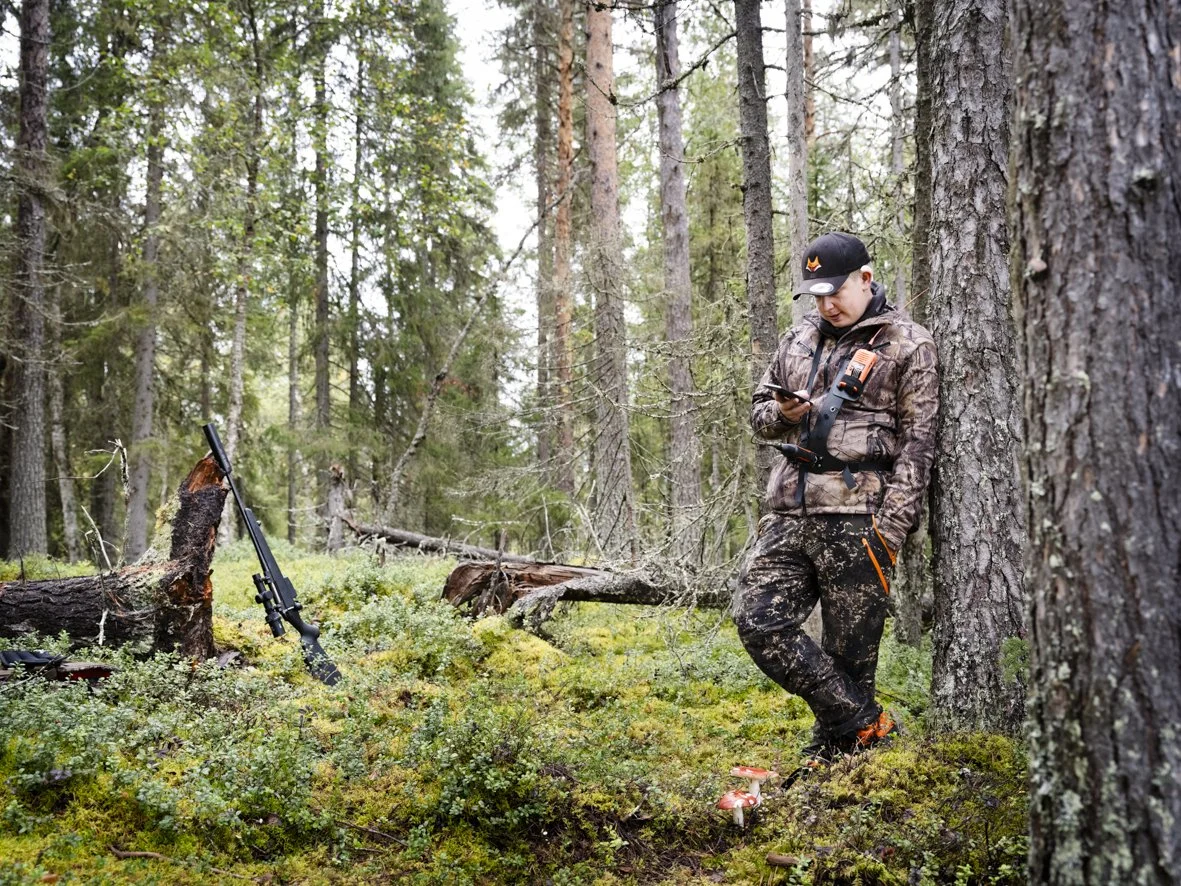
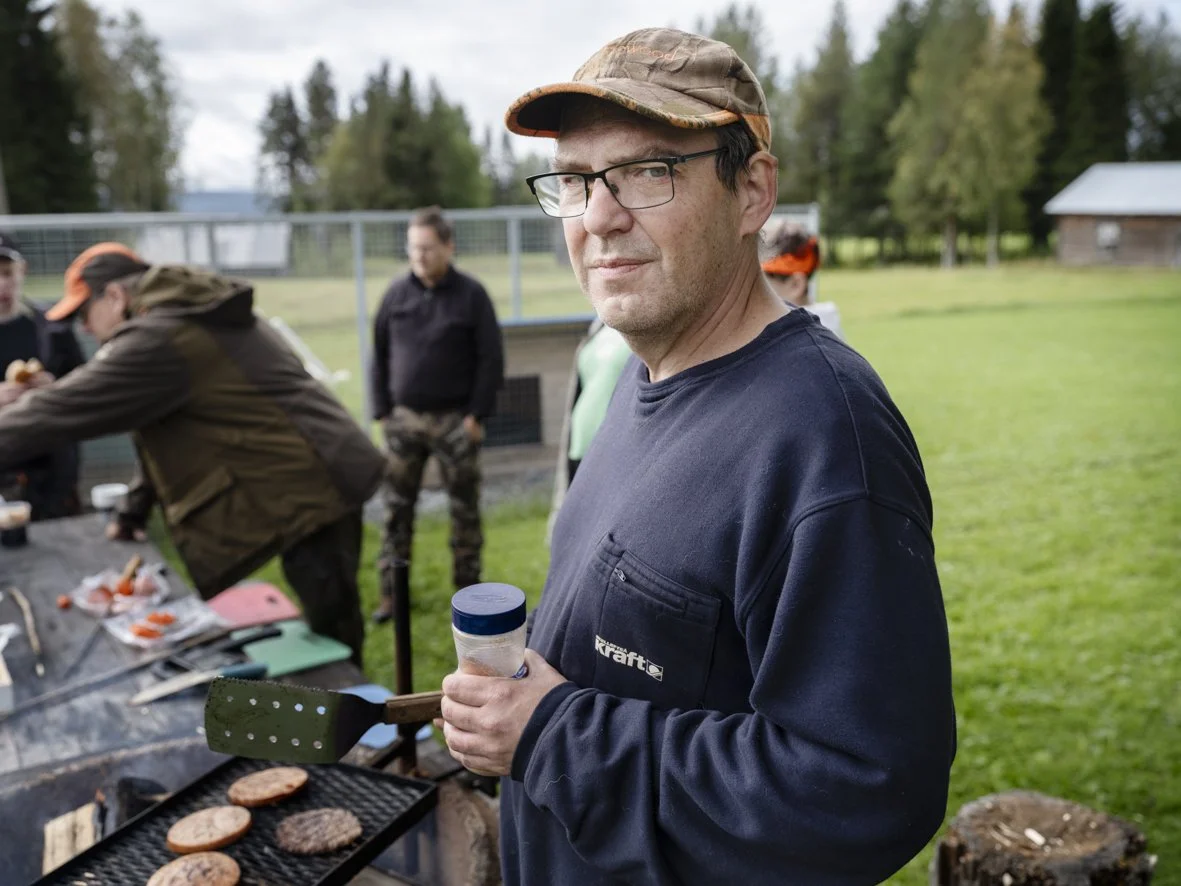
Together with writer Arvid Jurjaks, I followed hunters during the opening days of the moose hunt. No moose were shot.
Read the full report here. (Text by Arvid Jurjaks)